Classic Chicken Kottu Recipe
Learn to make the most popular kottu in Sri Lanka at home. This authentic recipe captures the smoky, spicy flavors of a Colombo street stall with step-by-step instructions.
View Recipe →Sri Lanka's #1 Kottu Roti Resource
Explore the rich history, endless varieties, and authentic recipes of Sri Lanka's most beloved street food. From the rhythmic clang of metal blades to the sizzling griddle, discover everything about Kottu.
Sri Lanka's most iconic and beloved street food experience
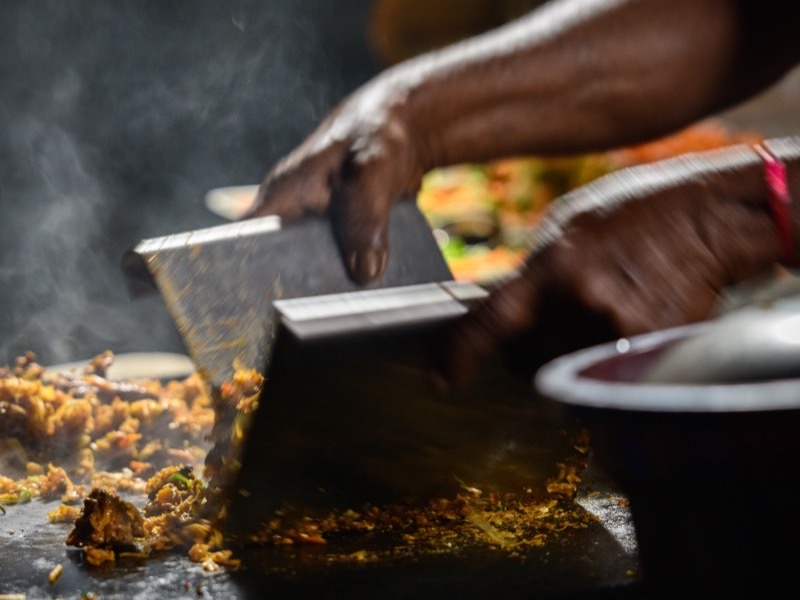
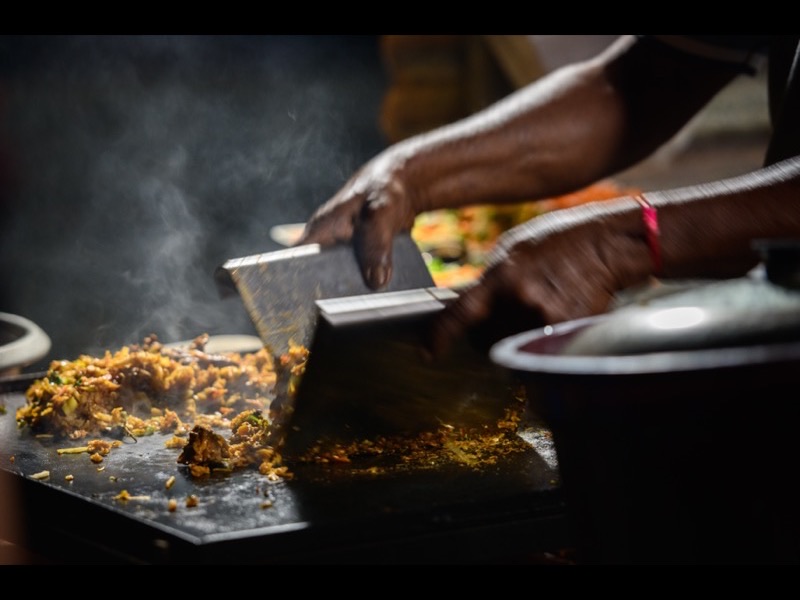
If you have ever walked through the bustling streets of Colombo, Kandy, or any Sri Lankan town after dusk, you have almost certainly heard it: the unmistakable, rhythmic clanging of metal blades on a hot iron griddle. That sound is the heartbeat of Kottu Roti (also known as Koththu Roti), arguably the single most popular street food in all of Sri Lanka.
Kottu Roti is a stir-fried dish made by chopping godamba roti (a thin, stretchy flatbread similar to paratha) into strips and tossing them on a scorching flat griddle with a medley of vegetables, scrambled eggs, your choice of meat or seafood, and a generous ladleful of rich, aromatic Sri Lankan curry sauce. The entire mixture is chopped and tossed together at blistering speed using two flat metal blades, creating the signature rhythmic sound that draws hungry crowds from streets away.
What began as a humble way for street vendors in Batticaloa to repurpose leftover roti has evolved into a national culinary icon, served everywhere from roadside stalls to fine-dining restaurants. Today, Kottu has crossed borders and can be found in Sri Lankan restaurants around the world, from London to Toronto, Melbourne to Dubai.
From classic chicken to modern cheese creations, explore the most loved varieties
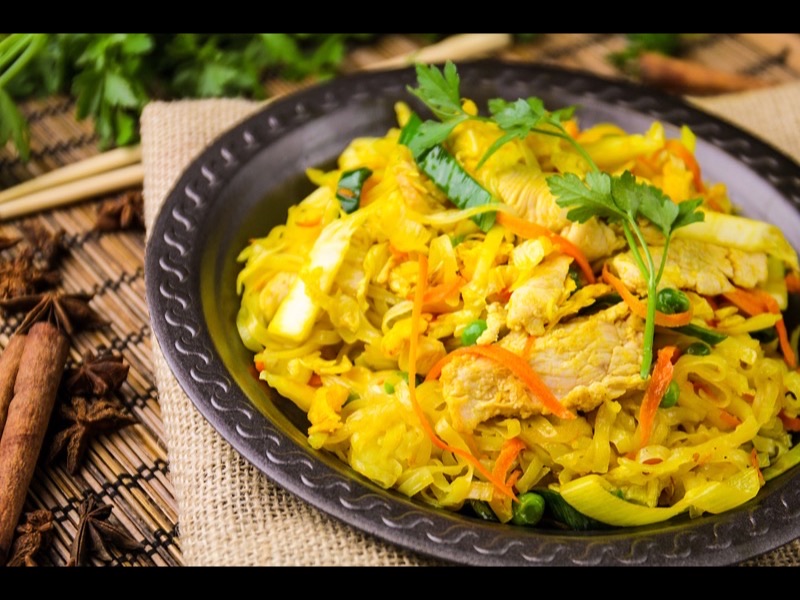
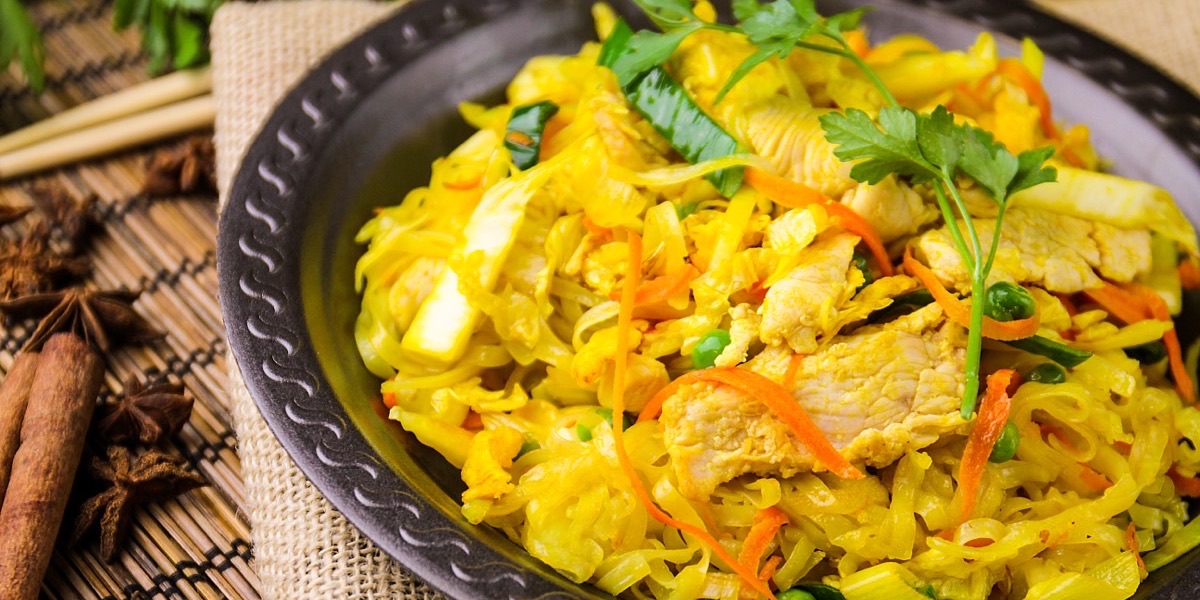
The undisputed king of kottu. Tender chicken pieces mixed with roti, vegetables, and spicy curry sauce. The most ordered variety across Sri Lanka.
A modern sensation featuring melted cheese layered over or mixed into the kottu. A creamy, indulgent twist on the classic that's wildly popular with younger generations.
An affordable favorite packed with protein. Scrambled eggs are chopped into the roti with vegetables and curry, creating a satisfying and budget-friendly meal.
Coastal Sri Lanka's pride. Prawns, cuttlefish, or fish mixed with kottu for a rich, ocean-flavored twist found in seaside towns from Negombo to Galle.
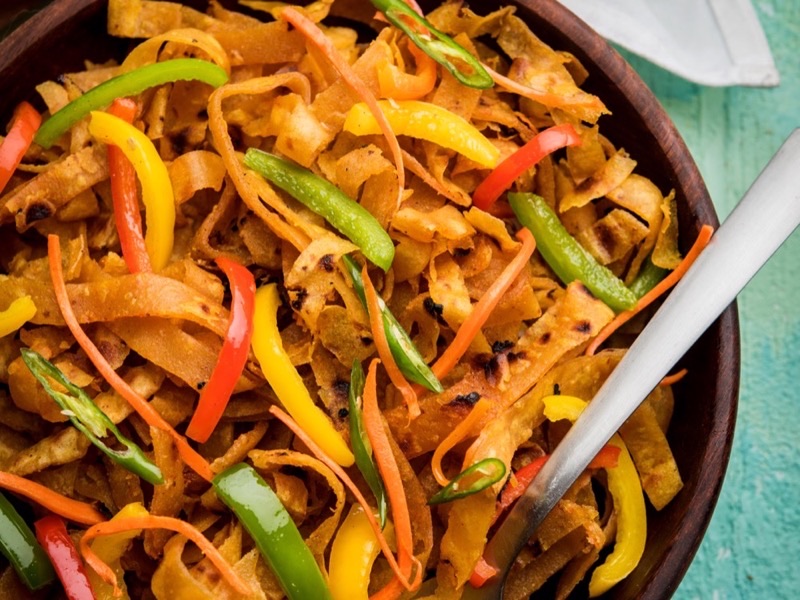
A lighter, veggie-packed option loaded with carrots, leeks, cabbage, and green chilies. Perfect for vegetarians and health-conscious diners alike.
A unique variant using string hoppers (idiyappam) instead of godamba roti. Softer texture with a distinctive taste, popular in the northern and eastern provinces.
Step-by-step guides to make authentic kottu at home
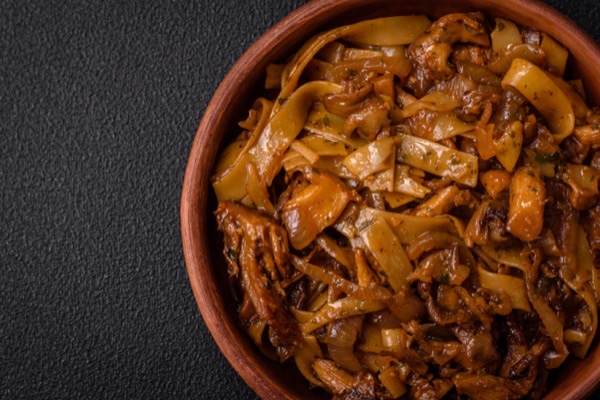
Learn to make the most popular kottu in Sri Lanka at home. This authentic recipe captures the smoky, spicy flavors of a Colombo street stall with step-by-step instructions.
View Recipe →The viral cheese kottu that has taken Sri Lanka by storm. Gooey melted cheese meets spicy kottu roti in this indulgent modern classic everyone is talking about.
View Recipe →A wholesome, vegetarian-friendly kottu loaded with fresh vegetables and aromatic Sri Lankan spices. All the flavor, lighter on the calories.
View Recipe →More than just food - it's a cultural experience
No other dish in the world announces its preparation with such a distinctive sound. The rapid clanging of metal blades on the griddle is music to every Sri Lankan's ears and a call to hungry passersby.
Kottu is the heartbeat of Sri Lanka's vibrant street food scene. From dusk till late at night, roadside kottu stalls light up every town, creating communal gathering spots where all social classes meet.
With over 50 types and countless regional variations, there is a kottu for every palate. Meat lovers, vegetarians, seafood fans, cheese enthusiasts - everyone finds their perfect version.
Hot, filling, and bursting with spicy, savory flavors, Kottu Roti is the ultimate comfort food. It is what Sri Lankans crave after a long day, a late night, or simply whenever the mood strikes.
Experience the sights and sounds of authentic kottu preparation
Watch skilled kottu makers chop and toss roti at lightning speed in this mesmerizing street food video from Colombo.
A behind-the-scenes look at the technique, ingredients, and passion that go into making the perfect plate of kottu.
Everything you need to know about Sri Lanka's favourite street food
Kottu Roti (also spelled Koththu Roti) is Sri Lanka's most popular street food dish. It is made by chopping godamba roti (a thin flatbread) into pieces on a hot iron griddle, then stir-frying those pieces with vegetables such as leeks, carrots, and cabbage, along with eggs, your choice of protein (chicken, beef, mutton, or seafood), and a flavorful Sri Lankan curry sauce. Two flat metal blades are used to chop and toss everything together at high speed, creating the signature rhythmic clanging sound that kottu is famous for.
There are over 50 recognized types of Kottu Roti across Sri Lanka. The most popular varieties include Chicken Kottu, Egg Kottu, Cheese Kottu, Seafood Kottu, Vegetable Kottu, Mutton Kottu, and String Hopper Kottu. Modern innovations have introduced variants like Dolphin Kottu (made with noodles), Pizza Kottu, Submarine Kottu, and even Chocolate Kottu for dessert. Each region of Sri Lanka also has its own unique spin on the dish.
Kottu Roti can be part of a balanced diet depending on how it is prepared. A typical serving provides a good mix of carbohydrates from the roti, protein from meat or eggs, and vitamins and fiber from vegetables. However, street-style kottu tends to use generous amounts of oil and can be calorie-dense, averaging 500 to 800 calories per serving. For a healthier option, try Vegetable Kottu or Egg Kottu, ask for less oil, or make it at home where you can control the ingredients. Our Recipes section includes lighter versions of popular kottu dishes.
Kottu Roti is believed to have originated in Batticaloa, a town on the eastern coast of Sri Lanka. Tamil Muslim street food vendors there began the practice of chopping up leftover godamba roti and mixing it with curry and spices as a way to repurpose unsold bread. The dish quickly gained popularity and spread throughout Sri Lanka during the late 20th century. Today, it is considered the national street food of Sri Lanka and can be found in Sri Lankan communities worldwide, from London and Toronto to Melbourne and Dubai. Read the full history of Kottu Roti on our dedicated page.
Absolutely! While traditional kottu is made on a large flat iron griddle with two heavy metal blades, you can easily make it at home using a large flat skillet or frying pan and two metal spatulas. The key is to use high heat so the roti gets slightly crispy, and to chop and toss vigorously to distribute the curry sauce evenly. For the roti, you can use store-bought godamba roti, paratha, or even leftover flatbread. Visit our Recipes page for detailed, beginner-friendly instructions with photos for making every type of kottu at home.