
Table of Contents
Introduction: What is Kottu Roti?
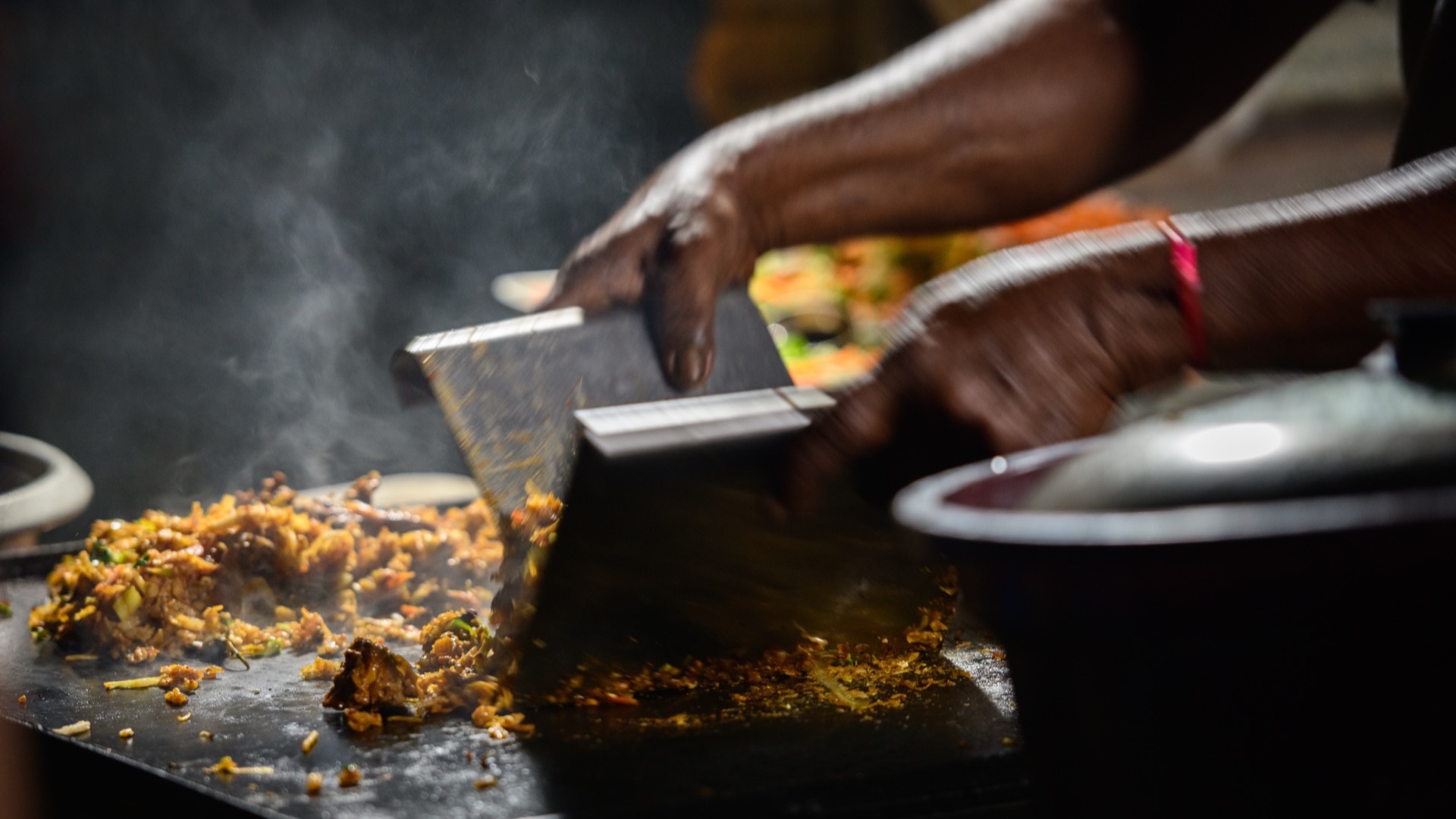
Kottu Roti, often simply called "Kottu," is Sri Lanka's most iconic and beloved street food. At its core, it is a dish made from shredded godamba roti -- a thin, stretchy flatbread similar to the Indian paratha or Malaysian roti canai -- that is chopped up on a flat iron griddle and stir-fried together with a medley of vegetables, eggs, meat or seafood, aromatic spices, and a rich curry sauce. The result is a hearty, flavorful, and deeply satisfying meal that captures the very essence of Sri Lankan culinary culture.
What truly sets Kottu apart from other stir-fried dishes around the world is not just its taste but the entire sensory experience surrounding its preparation. The rhythmic clinking and clanging of metal blades against the hot griddle as the cook chops, mixes, and tosses the ingredients has become one of the most recognizable sounds in Sri Lanka. Walk through any town or city on the island after sunset, and you will almost certainly hear the distinctive percussive beat of Kottu being made, drifting out from roadside stalls and small restaurants known locally as "kade." It is a sound that signals dinner time for millions of Sri Lankans and has become as much a part of the country's cultural identity as its tea plantations and ancient temples.
Whether enjoyed as a quick dinner after work, a midnight snack after a night out, or a weekend treat with family, Kottu holds a special place in the hearts and stomachs of Sri Lankans from all walks of life. In recent decades, the dish has also gained international recognition, with Sri Lankan restaurants around the world introducing Kottu to new audiences who quickly fall in love with its bold flavors and unique preparation style.
Advertisement
The History and Origins of Kottu
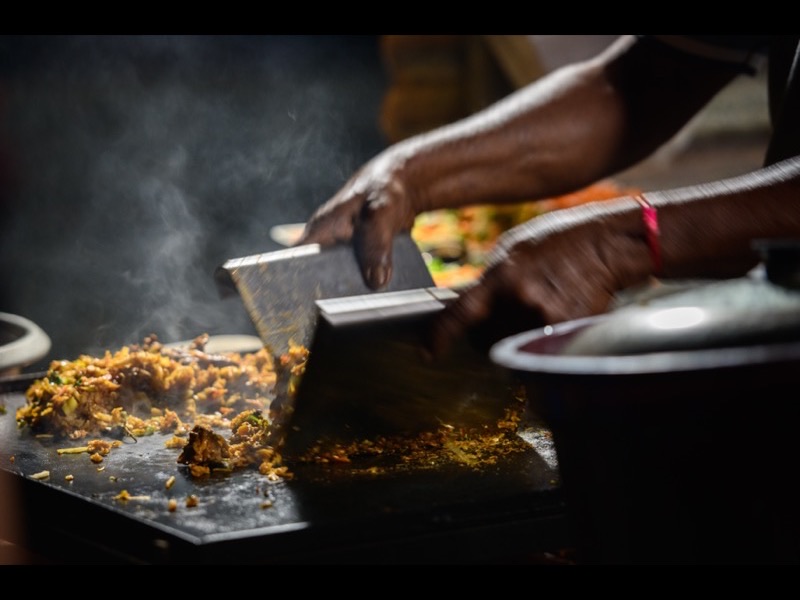
The precise origins of Kottu Roti are somewhat debated, as is the case with many beloved street foods that emerged organically from working-class communities rather than from documented culinary traditions. However, the most widely accepted account traces Kottu's beginnings to Batticaloa, a coastal city in the Eastern Province of Sri Lanka. It is believed that Tamil-speaking communities in and around Batticaloa created the dish, possibly as early as the 1960s or 1970s, as a practical and delicious way to repurpose leftover godamba roti from the previous day. Rather than discarding stale flatbreads, resourceful cooks discovered that chopping them up and frying them with whatever vegetables, meat, and spices were available created an entirely new and irresistible meal.
The name "Kottu" itself provides a clue to its origins. The word is derived from the Tamil verb "kottu," which means "to chop" or "to mince." This perfectly describes the fundamental technique behind the dish -- the vigorous chopping of roti and ingredients on the griddle using a pair of flat metal blades or scrapers. The full name, "Kottu Roti," literally translates to "chopped roti," a straightforward description that has stuck for decades. Some linguists and food historians also note connections to the Sinhala language, where similar words carry the meaning of cutting or chopping, reflecting the dish's adoption across Sri Lanka's diverse linguistic communities.
From its humble beginnings in Batticaloa, Kottu gradually spread westward and southward across Sri Lanka throughout the 1980s and 1990s. The dish's journey was aided by internal migration patterns, the growth of small eateries and roadside food stalls, and its undeniable appeal as an affordable, filling, and delicious meal. By the late 1990s and early 2000s, Kottu had established itself as a national phenomenon, available in virtually every town and village across the island. What began as a regional specialty of the east coast had become Sri Lanka's de facto national street food, rivaling even the ubiquitous rice and curry in popularity, particularly as an evening and late-night meal.
The evolution of Kottu over the decades has also been remarkable. While the original version was likely a simple affair of chopped roti with basic vegetables and perhaps some egg, modern Kottu has expanded into an incredibly diverse family of dishes. Today, you can find dozens of variations -- from classic chicken and egg Kottu to contemporary innovations like cheese Kottu, chocolate Kottu, and even crab Kottu. This constant innovation and adaptation is a testament to Kottu's versatility and to the creativity of Sri Lankan cooks who continue to push the boundaries of what this humble street food can become.
Advertisement
How Kottu Roti is Made
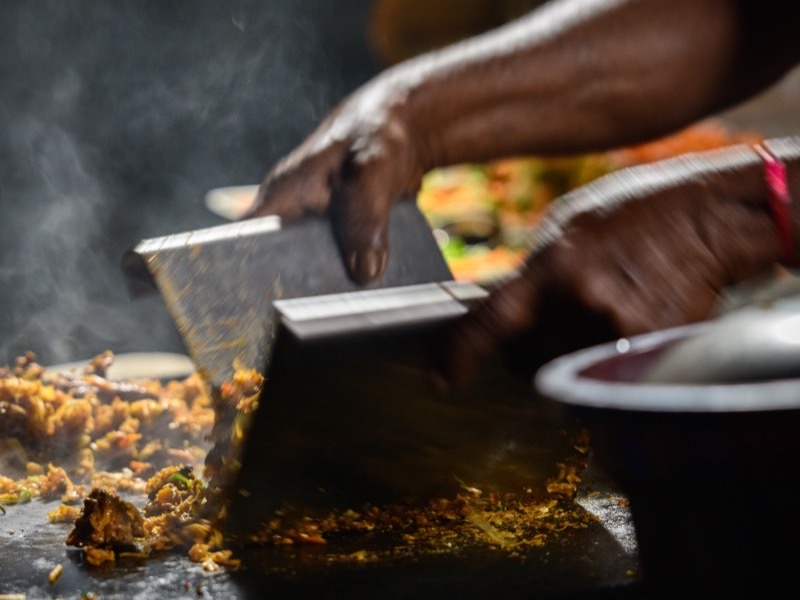
The preparation of Kottu Roti is as much a performance as it is a cooking process. Understanding how Kottu is made requires appreciating both the ingredients that go into it and the unique technique that brings everything together on the griddle. At the heart of every Kottu is the godamba roti, a thin, elastic flatbread made from wheat flour, water, a little oil, and sometimes a pinch of salt. Unlike thicker breads, godamba roti is stretched and thrown by hand until it becomes paper-thin, then cooked on a hot griddle until lightly browned. For Kottu, these rotis are either prepared fresh or, more traditionally, made earlier in the day and allowed to cool and firm up slightly, which makes them easier to chop and gives the finished dish a better texture.
The cooking process begins when a customer places an order. The Kottu maker, sometimes called a "Kottu master," takes one or more godamba rotis and places them on a large, flat iron griddle or hot plate that has been generously oiled. Using a pair of flat metal blades -- essentially rectangular metal scrapers with handles -- the cook begins chopping the roti into small, irregular pieces directly on the griddle. This chopping is done with incredible speed and rhythm, producing the famous clinking sound that is synonymous with Kottu. As the roti pieces are chopped, the cook adds the other ingredients in a specific sequence: first, perhaps some oil and sliced onions or leeks, then vegetables such as shredded carrots, cabbage, and green chilies. If the customer has ordered a meat variety, chicken, mutton, or other protein is added next, followed by beaten eggs that are scrambled directly into the mix.
The crucial element that ties everything together is the curry sauce. This is typically a rich, spiced gravy -- often a chicken or meat curry sauce -- that is ladled onto the griddle and mixed through the chopped roti and other ingredients. The sauce provides moisture, binds the components together, and infuses the entire dish with deep, complex flavor. Seasonings such as curry powder, chili flakes, black pepper, curry leaves, pandan leaves, and sometimes a dash of soy sauce are added throughout the cooking process. The cook continues to chop, toss, and mix everything together with the metal blades, ensuring that every piece of roti is coated in sauce and that the ingredients are evenly distributed.
The entire cooking process takes only about three to five minutes in the hands of an experienced Kottu maker, making it one of the fastest freshly prepared meals you can get in Sri Lanka. The finished Kottu is served immediately, usually on a plate or wrapped in newspaper for takeaway orders. It is commonly accompanied by a small bowl of curry sauce on the side for those who want extra moisture and flavor. Some establishments also serve it with a lentil soup (parippu) or a spicy sambol as accompaniments. The dish arrives at the table piping hot, fragrant with spices, and ready to be devoured -- ideally eaten with your hands, as tradition dictates, though a fork and spoon are perfectly acceptable too.
Advertisement
The Famous Sound of Kottu
If there is one thing that makes Kottu Roti truly unique among the world's street foods, it is the sound. The rhythmic, metallic clinking of the flat blades striking the iron griddle and each other as the cook chops and mixes the ingredients is one of the most distinctive and beloved sounds in Sri Lankan culture. This percussive beat -- a rapid-fire "ting-ting-ting-ting-tak-tak-ting" -- carries through the streets, serving as both an advertisement and an invitation. In many Sri Lankan neighborhoods, you do not need to see a Kottu stall to know it is there; you simply follow the sound. It is said that skilled Kottu makers can be heard from several streets away, and that the quality and rhythm of the sound is itself a measure of the cook's expertise.
The sound of Kottu has taken on an almost musical quality in Sri Lankan popular culture. Some have compared it to drumming, and there are countless videos online of Kottu makers producing elaborate rhythmic patterns that would not be out of place in a percussion ensemble. The sound has been sampled in songs, featured in tourism campaigns, and has become a viral sensation on social media platforms, where videos of skilled Kottu makers performing their rhythmic chopping routines regularly attract millions of views. For the Sri Lankan diaspora living abroad, the sound of Kottu is a powerful trigger of nostalgia -- a sonic connection to home that evokes memories of warm evenings, crowded street stalls, and the comforting aroma of spices sizzling on a hot griddle.
Kottu vs Other Sri Lankan Dishes
Sri Lanka boasts one of the most diverse and flavorful cuisines in South Asia, with a rich tapestry of dishes that reflect the island's multicultural heritage. To truly appreciate what makes Kottu special, it helps to understand how it compares to other staples of Sri Lankan cooking.
Kottu vs Rice and Curry
Rice and curry is the undisputed foundation of Sri Lankan cuisine, eaten by most Sri Lankans for both lunch and dinner. A typical rice and curry meal features a mound of steamed rice surrounded by several small dishes -- a meat or fish curry, a dhal (lentil) curry, two or three vegetable preparations, a sambol (spicy condiment), and sometimes a papadum. While rice and curry is the everyday staple, Kottu occupies a different niche: it is the quintessential evening and late-night meal, the comfort food you crave when you want something quick, hearty, and packed with flavor. Where rice and curry is home cooking at its finest, Kottu is street food at its most exciting.
Kottu vs Hoppers (Appa)
Hoppers, known as "appa" in Sinhala, are bowl-shaped pancakes made from a fermented batter of rice flour and coconut milk. They are crispy at the edges and soft in the center, often served with an egg cracked into the middle (egg hoppers) or alongside lunu miris (a spicy onion relish) and curry. Hoppers are traditionally a breakfast or dinner food and represent a more delicate, refined style of cooking compared to the bold, hearty nature of Kottu. While hoppers are enjoyed in a sit-down setting with accompaniments, Kottu is a self-contained, all-in-one meal that needs nothing else on the plate.
Kottu vs String Hoppers (Idiyappam)
String hoppers, or "idiyappam," are delicate nests of steamed rice noodles, typically served for breakfast or dinner with coconut sambol and a curry. They are light, mild, and subtle in flavor -- the polar opposite of Kottu's bold, spicy, and robust character. Interestingly, string hoppers have also given rise to their own Kottu variation: string hopper Kottu, where the noodle nests are chopped up and prepared in the same style as traditional Kottu, creating a fascinating hybrid that combines the delicate texture of string hoppers with the intense flavors of the Kottu preparation method.
Kottu vs Lamprais
Lamprais (from the Dutch word "lomprijst") is a Burgher-heritage dish consisting of rice cooked in meat stock, accompanied by a frikkadel (meatball), a meat curry, eggplant pickle, blachan (prawn paste), and a hard-boiled egg, all wrapped in a banana leaf and baked. It is one of Sri Lanka's most elaborate and time-consuming dishes to prepare. Kottu, by contrast, is all about speed and immediacy -- it goes from griddle to plate in under five minutes. Both are iconic Sri Lankan dishes, but they represent opposite ends of the preparation spectrum.
Advertisement
Nutritional Value of Kottu Roti
Kottu Roti is, first and foremost, a comfort food, and like most comfort foods, it is calorie-dense and rich in carbohydrates and fats. A standard serving of chicken Kottu typically contains between 700 and 900 calories, though this can vary significantly depending on the preparation method, portion size, and the amount of oil and curry sauce used. The godamba roti base provides the bulk of the carbohydrates, usually contributing around 50 to 70 grams of carbs per serving. The protein content depends on the variety chosen: a chicken or meat Kottu can provide 25 to 40 grams of protein, while a vegetable or egg Kottu will have less, typically around 12 to 20 grams.
The fat content of Kottu is notable, as the dish is cooked on an oiled griddle and often incorporates a curry sauce that contains coconut milk or oil. A typical serving may contain 25 to 45 grams of fat. On the positive side, Kottu usually includes a reasonable serving of vegetables -- leeks, carrots, cabbage, and green beans are common -- which contribute dietary fiber, vitamins A and C, and various minerals. The spices used in Kottu, including turmeric, cumin, and black pepper, are also known for their anti-inflammatory and antioxidant properties, though the quantities used in a single serving are relatively small.
For those watching their calorie intake, vegetable Kottu is the lightest option, typically containing 500 to 650 calories per serving with a good balance of carbohydrates and fiber. Egg Kottu offers a moderate option with added protein from the eggs. At the higher end, cheese Kottu and Kottu with extra curry sauce can push well past 1,000 calories. As with any indulgent food, moderation is key -- and for most people, Kottu is best enjoyed as an occasional treat rather than a daily dietary staple.
Advertisement
Kottu Around the World
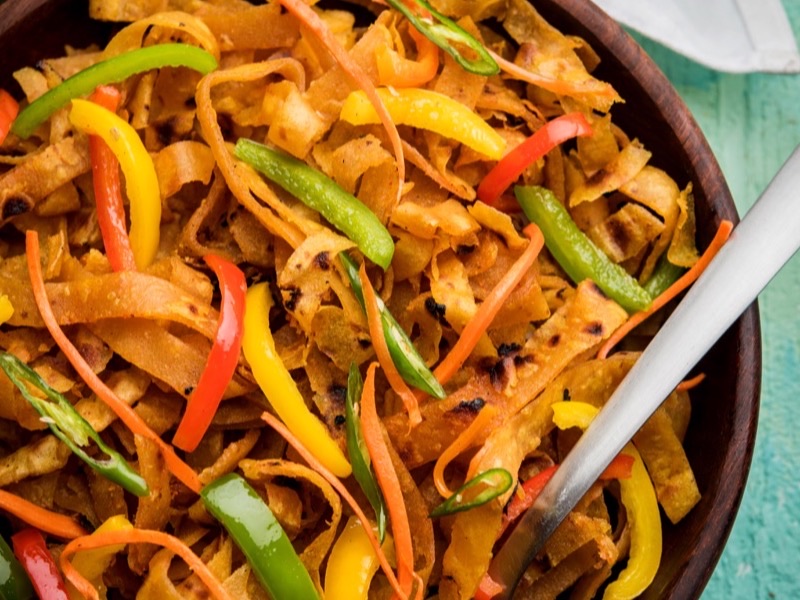
While Kottu Roti was born on the streets of Sri Lanka, it has not stayed there. Over the past two decades, the dish has traveled far beyond the island's shores, carried by the Sri Lankan diaspora and embraced by food lovers in dozens of countries. The United Kingdom is arguably the strongest international hub for Kottu, particularly in London, where a large Sri Lankan Tamil community has established numerous restaurants and takeaway shops serving authentic Kottu. Areas like Tooting, Wembley, and East Ham have become known as go-to destinations for Kottu lovers, with some establishments achieving near-legendary status for their faithful renditions of the dish.
Australia is another major Kottu destination, with Melbourne and Sydney being home to thriving Sri Lankan food scenes. Sri Lankan restaurants in suburbs like Dandenong (Melbourne) and Parramatta (Sydney) serve Kottu that rivals anything you would find in Colombo. In Canada, Toronto's Scarborough neighborhood -- home to one of the largest Sri Lankan communities outside Sri Lanka -- has an abundance of Kottu options, and the dish has even begun appearing on the menus of mainstream food trucks and fusion restaurants. The Middle East, particularly the United Arab Emirates, Qatar, and Kuwait, also has a strong Kottu presence, thanks to the large population of Sri Lankan expatriate workers.
Perhaps most excitingly, Kottu is beginning to attract attention from the broader global food community. International food critics, travel bloggers, YouTube food channels, and social media influencers have helped introduce Kottu to audiences who may never have heard of Sri Lankan cuisine. The dramatic visual spectacle of Kottu being made -- the flames, the flying ingredients, the rhythmic blade work -- makes it perfect for video content, and viral clips of skilled Kottu makers have accumulated hundreds of millions of views across platforms. Food festivals in cities like New York, Berlin, and Singapore have featured Kottu stalls, often to enthusiastic reception from adventurous eaters looking for something new and exciting. While Kottu may never reach the global ubiquity of sushi or tacos, its trajectory suggests that this once-humble Sri Lankan street food is well on its way to becoming a recognized and celebrated dish on the world stage.
Advertisement
Frequently Asked Questions About Kottu Roti
Kottu Roti is made from shredded godamba roti (a thin flatbread) that is chopped and stir-fried on a hot griddle with vegetables such as leeks, carrots, and cabbage, along with eggs, your choice of meat or seafood, aromatic spices including curry powder, chili, and curry leaves, and a flavorful curry sauce that binds everything together. The exact ingredients vary depending on the type of Kottu you order.
Kottu Roti is believed to have originated in Batticaloa, a city on the eastern coast of Sri Lanka. It was created by Tamil-speaking communities, likely as an innovative way to repurpose leftover godamba roti. The dish gradually spread across the island from the 1970s onward and became a nationwide street food staple by the 1990s.
Kottu Roti is a calorie-dense dish, typically containing 600 to 900 calories per serving depending on the variety. While it provides protein, carbohydrates, vegetables, and beneficial spices, it is cooked with oil on a hot plate and is best enjoyed as an occasional indulgence. Vegetable Kottu is the lightest option for those watching their calorie intake.
Kottu Roti has a rich, savory, and mildly to moderately spicy flavor. The combination of shredded roti, spiced curry sauce, fresh vegetables, and protein creates a complex taste that is smoky from the hot griddle, aromatic from curry leaves and spices, and deeply satisfying. The texture is a delightful combination of soft, chewy, and slightly crispy pieces.
The iconic clinking sound comes from the pair of flat metal blades or scrapers that the cook uses to chop and mix ingredients on the flat iron griddle. The rapid, rhythmic striking of metal against metal and metal against the griddle surface creates a distinctive percussive beat that has become a signature part of the Kottu experience and is often used to attract customers.
Yes, Kottu Roti is now available in many countries around the world. The United Kingdom, Australia, Canada, the United States, and the Middle East all have thriving Sri Lankan restaurant scenes that serve authentic Kottu. Cities like London, Melbourne, Toronto, and Dubai are particularly well-known for their Kottu offerings, thanks to large Sri Lankan diaspora communities.