
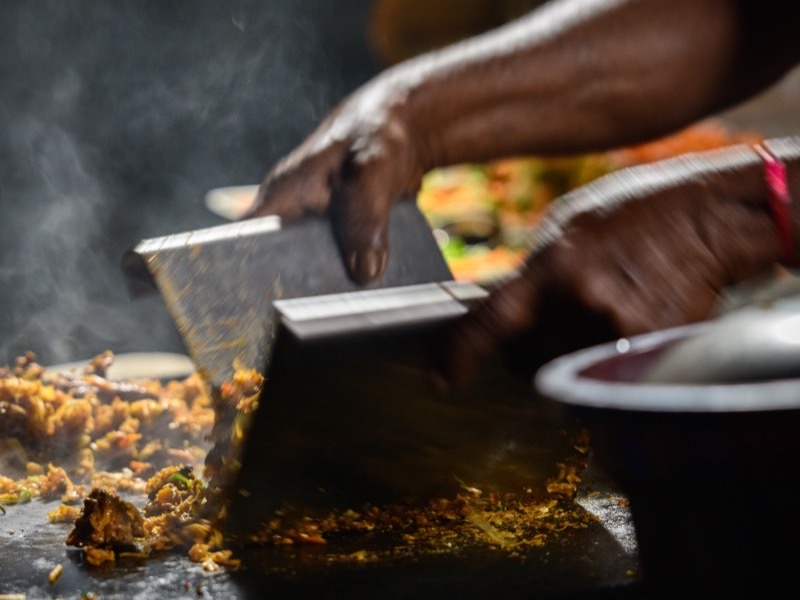
Master the art of making kottu roti with our collection of tried-and-tested recipes. From the classic chicken kottu to the modern cheese kottu, bring the authentic flavors of Sri Lanka's streets right into your kitchen.
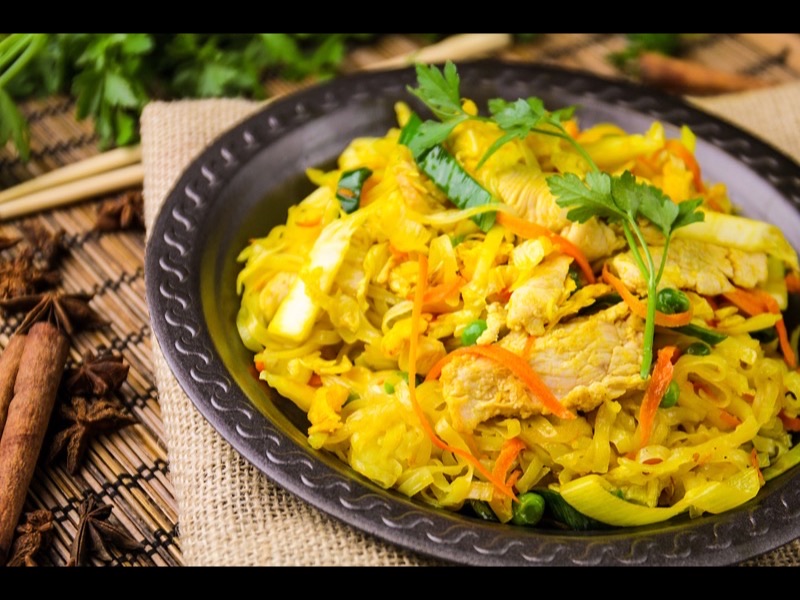 Chicken
The most beloved version of kottu roti featuring tender chicken pieces stir-fried with shredded godamba roti, fresh vegetables, and aromatic Sri Lankan spices.
Read Recipe →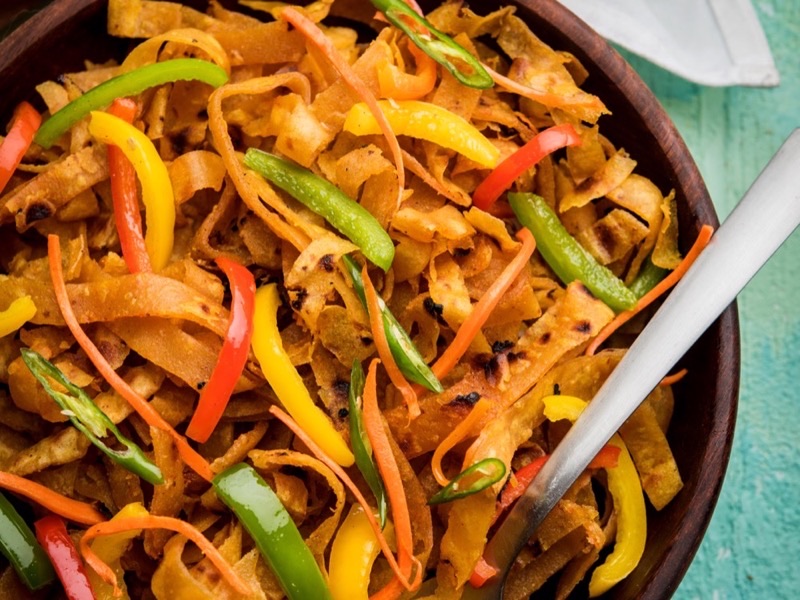 Cheese
A modern Sri Lankan favorite that combines the classic kottu with generous amounts of melted cheese for an irresistibly gooey, savory street food experience.
Read Recipe →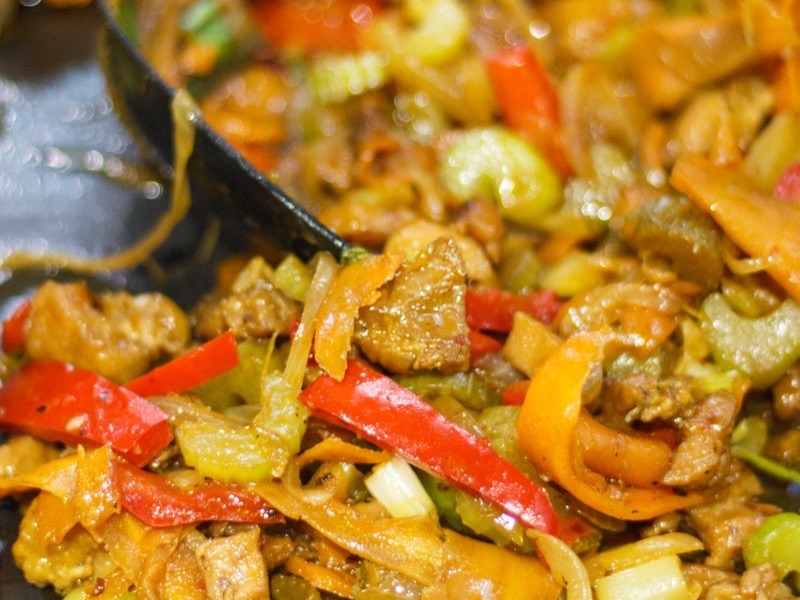 Egg
EggA budget-friendly and delicious version of kottu roti with scrambled eggs folded into the mix. Quick, affordable, and packed with protein and flavor.
Read Recipe →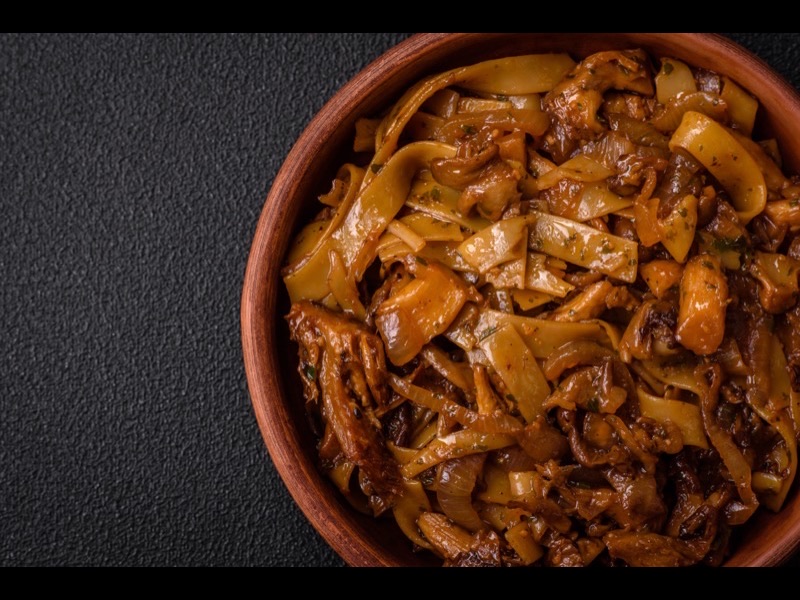 Vegetarian
A colorful vegetarian version loaded with fresh vegetables, aromatic spices, and shredded roti. Wholesome, flavorful, and perfect for vegetable lovers.
Read Recipe →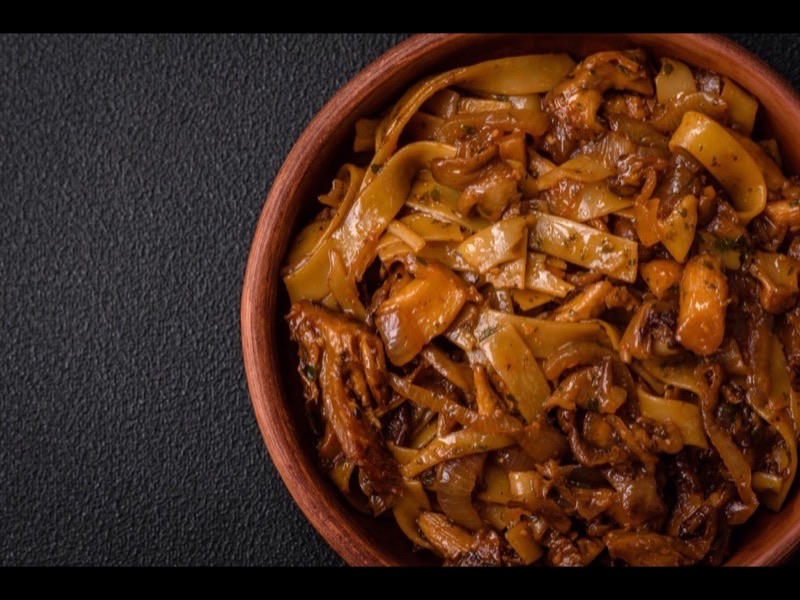 Seafood
A premium coastal Sri Lankan specialty featuring fresh prawns and cuttlefish stir-fried with shredded roti, vegetables, and a rich spicy sauce.
Read Recipe →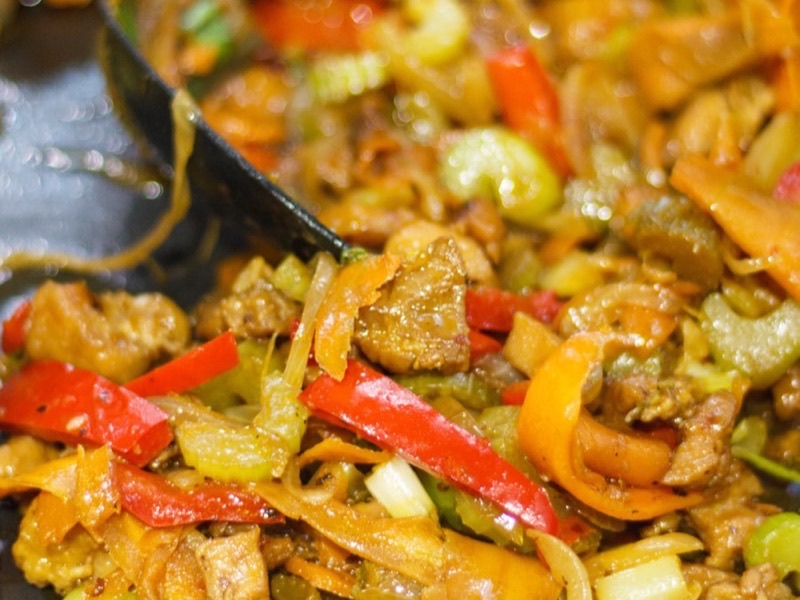 Unique
A unique variation using string hoppers (idiyappam) instead of godamba roti. Lighter in texture with delicate rice flour noodle strands and bold flavors.
Read Recipe →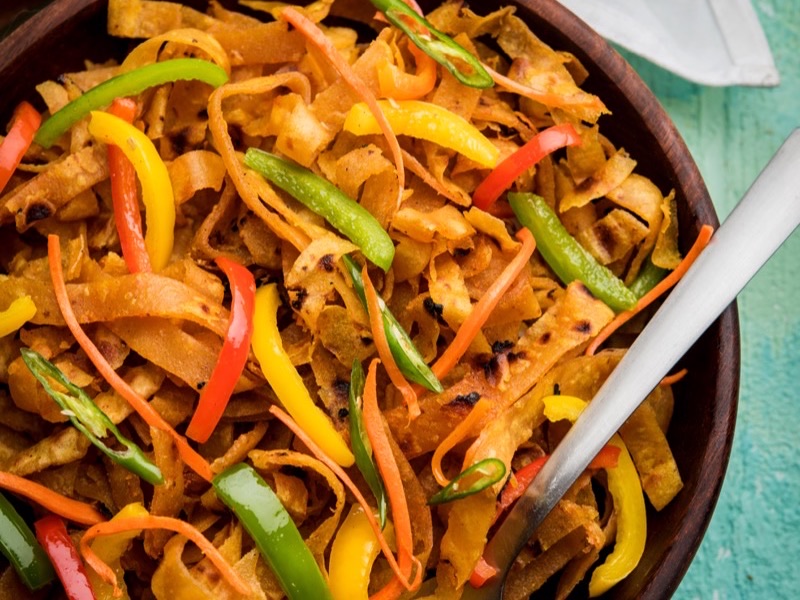 Beginner
The simplest kottu recipe perfect for beginners. Learn the fundamental technique with easy-to-find ingredients before tackling more complex variations.
Read Recipe →Advertisement
Yes, you can make excellent kottu at home using a large, heavy-bottomed frying pan, a wok, or a cast iron skillet. While traditional kottu is made on a flat iron griddle (called a "kottu plate") using two metal blades, you can achieve similar results at home using metal spatulas or even a large knife and a sturdy pan. The key is high heat and quick stir-frying to get that characteristic smoky flavor.
The ideal bread for kottu is godamba roti, a thin, flaky Sri Lankan flatbread. If you cannot find godamba roti, you can substitute with paratha (parotta), roti canai, or even flour tortillas in a pinch. Some recipes use leftover chapati or naan as well. The bread should be slightly stale or cooled, as fresh hot bread tends to become too mushy when chopped and stir-fried. Many Sri Lankan households make their godamba roti the day before specifically for kottu.
The essential spices for kottu include curry powder (a Sri Lankan roasted curry powder blend is best), chili flakes or chili powder, turmeric, black pepper, and salt. Additionally, curry leaves, pandan leaves (rampe), and a good quality soy sauce or Worcestershire sauce add authentic depth. Fresh ingredients like garlic, ginger, green chilies, and onions are also crucial. For the curry sauce, you will need coconut milk, tomatoes, and your protein of choice cooked in a Sri Lankan-style curry.
Getting the smoky, charred flavor (similar to Chinese wok hei) is one of the biggest challenges of home kottu. The secret is extremely high heat. Preheat your pan or wok on the highest setting for at least 2-3 minutes before adding oil. Cook in small batches so the pan stays hot. Use a neutral oil with a high smoke point like vegetable or coconut oil. Do not overcrowd the pan. Let the roti pieces sit undisturbed for a few seconds to get some char before tossing. Some home cooks also use a small amount of butter at the end for extra richness.
Absolutely! In fact, preparing ingredients in advance is highly recommended since kottu cooking happens very fast. You should prepare your curry sauce and protein (chicken curry, egg curry, etc.) ahead of time. Shred the roti, chop all vegetables, and have your spices measured and ready. This "mise en place" approach mirrors how professional kottu makers work - they have everything prepped and ready so the actual cooking takes only 3-5 minutes on the hot griddle.
Advertisement