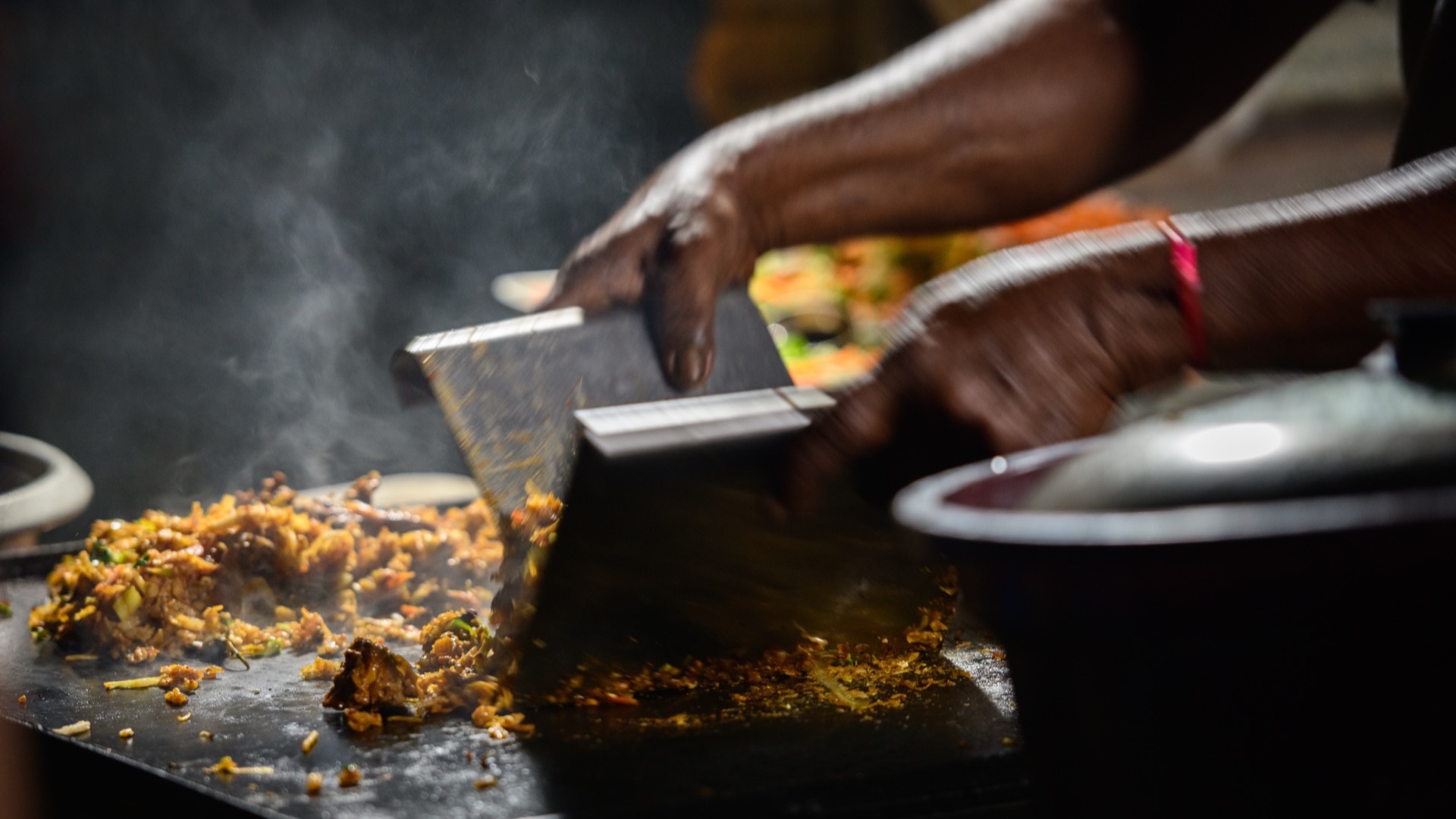
Types of Kottu Roti: A Complete Guide to Every Kottu Variety

From classic chicken kottu to modern chocolate kottu -- discover every variety of Sri Lanka's favourite street food

The Incredible Variety of Kottu Roti

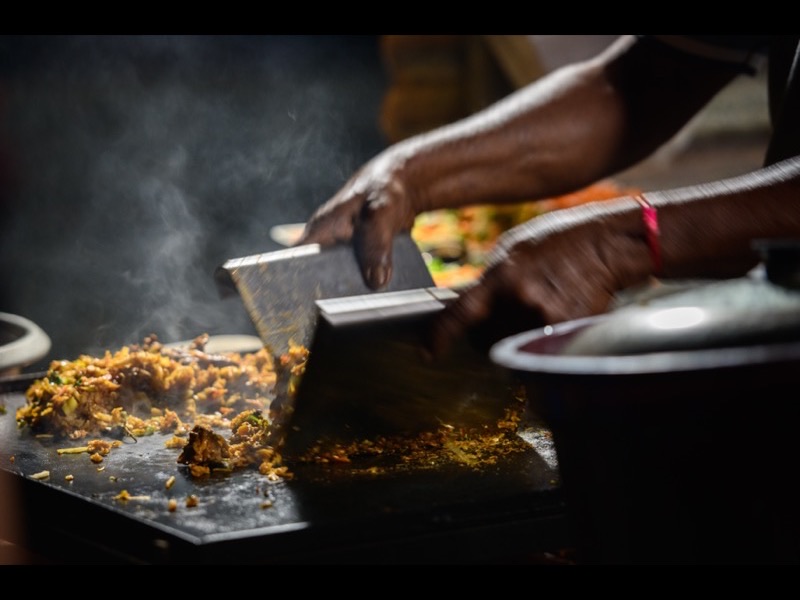
One of the most remarkable things about Kottu Roti is its extraordinary versatility. What began as a simple dish of chopped leftover roti fried with basic vegetables has evolved into an entire family of dishes, with each variety offering its own unique combination of flavors, textures, and ingredients. From the bustling streets of Colombo to the coastal towns of Jaffna and Galle, every region and every restaurant puts its own spin on this beloved street food.

Today, you can find well over a dozen distinct types of Kottu on menus across Sri Lanka, ranging from traditional favorites that have been enjoyed for decades to bold modern innovations that push the boundaries of what Kottu can be. Whether you prefer the classic simplicity of an egg Kottu, the indulgent richness of a cheese Kottu, or the premium luxury of a crab Kottu, there is a variety to suit every taste, budget, and dietary preference. Below, we explore each type in detail to help you discover your perfect Kottu.
Advertisement

All Types of Kottu Roti

16+
Kottu Varieties
5
Vegetarian Options
#1
Chicken Kottu (Most Popular)

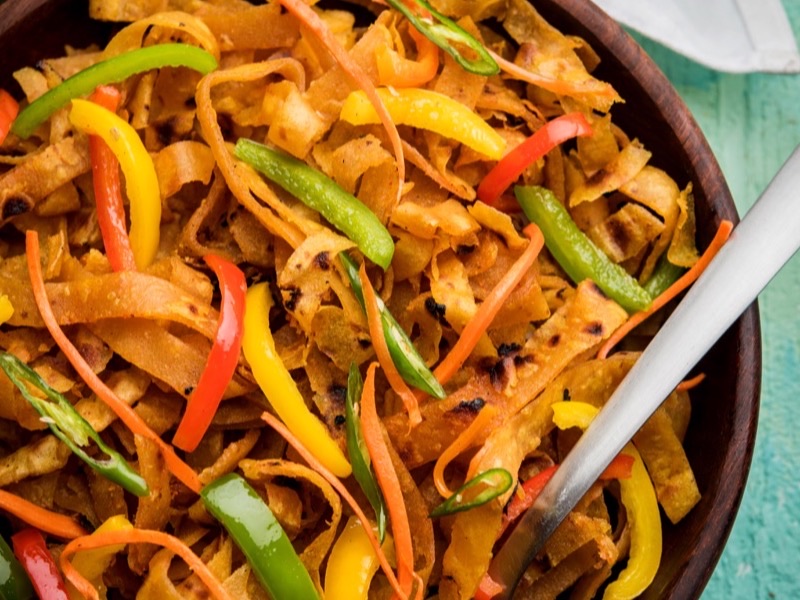
1. Classic / Original Kottu Roti

Key Ingredients: Godamba roti, onions, leeks, green chilies, curry leaves, egg, curry sauce

Flavor Profile: Savory, mildly spicy, smoky, comfort-food warmth

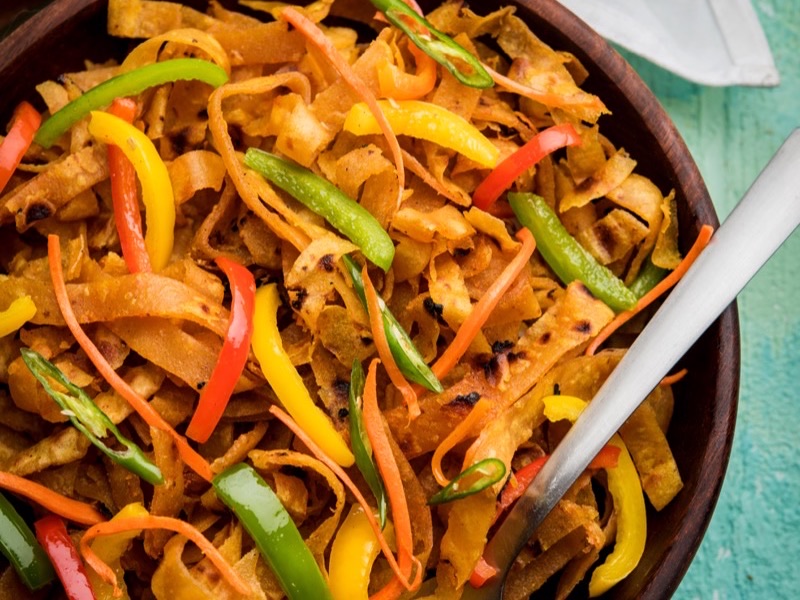
The classic Kottu Roti is where it all began -- a straightforward, no-frills preparation that showcases the fundamental character of the dish. Made with chopped godamba roti, sliced onions, leeks, a few green chilies, curry leaves, and a generous splash of curry sauce, this is Kottu in its purest form. Some versions include a scrambled egg mixed through for added richness, while others keep it strictly to roti, vegetables, and sauce. The classic Kottu allows the quality of the roti and the flavor of the curry sauce to shine without competition from heavy proteins or rich toppings. It is the variety most likely to have been served at the original Kottu stalls in Batticaloa decades ago, and it remains a popular choice for those who appreciate simplicity and tradition. If you have never tried Kottu before, the classic version is an excellent starting point to understand the dish's essential flavors.

2. Chicken Kottu

Key Ingredients: Godamba roti, chicken curry pieces, onions, leeks, carrots, egg, chicken curry sauce, spices

Flavor Profile: Rich, deeply savory, aromatic, moderately spicy

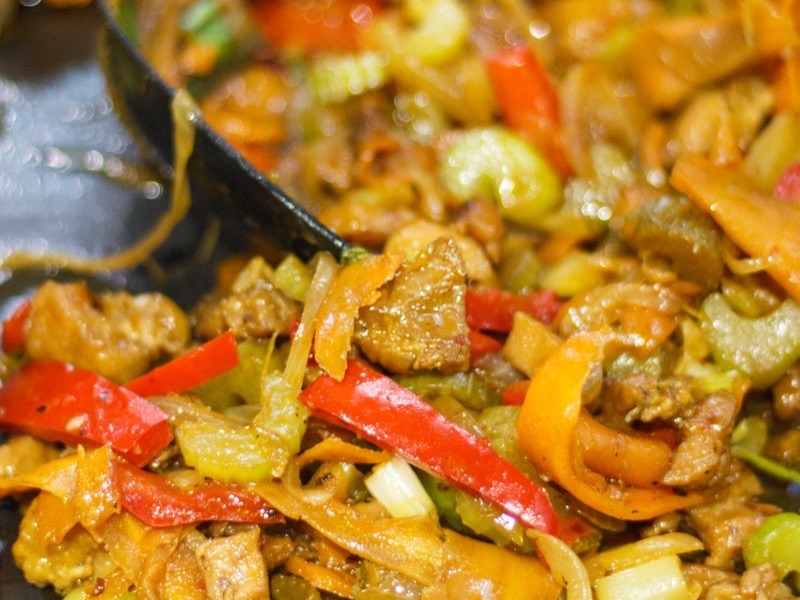
Chicken Kottu is, without question, the most popular and widely ordered type of Kottu Roti in Sri Lanka. It features tender pieces of chicken -- usually taken from a pre-prepared Sri Lankan chicken curry -- chopped and mixed into the roti along with vegetables and a flavorful chicken curry sauce. The chicken adds a depth of protein and richness that elevates the dish from a simple carbohydrate-based snack to a complete, satisfying meal. The curry sauce used in chicken Kottu is typically robust and well-spiced, infused with turmeric, chili powder, curry leaves, pandan, fenugreek, and coconut milk, giving the entire dish an intoxicating aroma and complex flavor profile. At most restaurants, you can choose between boneless chicken Kottu for convenience or bone-in chicken Kottu for extra flavor and a more authentic experience. Chicken Kottu is the benchmark against which all other varieties are measured -- if a Kottu restaurant gets their chicken version right, you can usually trust everything else on the menu.

3. Cheese Kottu

Key Ingredients: Godamba roti, processed cheese slices or mozzarella, onions, leeks, egg, curry sauce, optional chicken or meat

Flavor Profile: Creamy, indulgent, savory, rich, gooey

Cheese Kottu is a relatively modern innovation that has taken Sri Lanka by storm and become one of the most sought-after varieties, particularly among younger diners. The concept is simple but brilliant: generous amounts of cheese -- typically processed cheese slices, though some upscale restaurants use mozzarella or cheddar -- are added to the Kottu during the final stages of cooking, where the heat of the griddle melts the cheese into the roti, creating a gooey, stretchy, indulgent texture that is utterly irresistible. The combination of the spicy, savory curry sauce with the mild creaminess of melted cheese creates a flavor balance that appeals to almost everyone. Cheese Kottu can be made as a standalone vegetarian dish with just cheese, egg, and vegetables, or it can be combined with chicken, mutton, or seafood for an even more decadent experience. It is worth noting that cheese Kottu is one of the higher-calorie varieties -- a single serving can easily exceed 1,000 calories -- but for a special treat, it is absolutely worth every bite.

4. Egg Kottu

Key Ingredients: Godamba roti, eggs (2-3), onions, leeks, green chilies, curry leaves, curry sauce

Flavor Profile: Light, savory, peppery, slightly eggy richness

Egg Kottu is the go-to choice for those who want a protein boost without the heaviness of a meat-based Kottu. Two or three eggs are cracked directly onto the hot griddle and scrambled into the chopped roti, where they coat the pieces and add a silky, slightly rich texture to the dish. The eggs absorb the curry sauce and spices, creating little pockets of flavor throughout. Egg Kottu is often considered the most affordable meat-free option that still feels like a complete meal, and it is hugely popular as a late-night snack or a budget-friendly dinner. The preparation is quick even by Kottu standards, and the result is a satisfying, well-balanced dish that highlights the interplay between the chewy roti, the soft scrambled egg, and the aromatic curry sauce. Many Kottu veterans consider egg Kottu an underrated classic that deserves more recognition alongside its flashier counterparts.

Advertisement

5. Vegetable Kottu

Key Ingredients: Godamba roti, carrots, leeks, cabbage, green beans, bell peppers, onions, curry sauce, spices

Flavor Profile: Fresh, vibrant, well-spiced, lighter than meat varieties

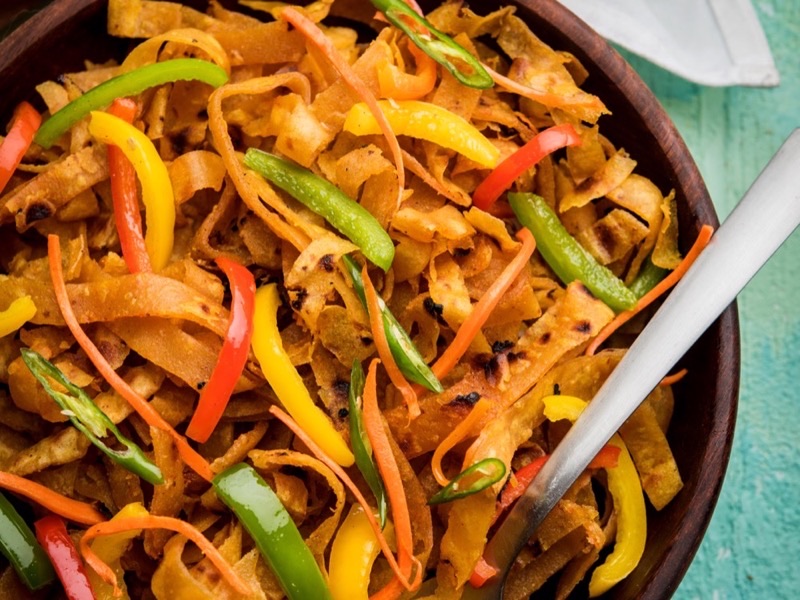
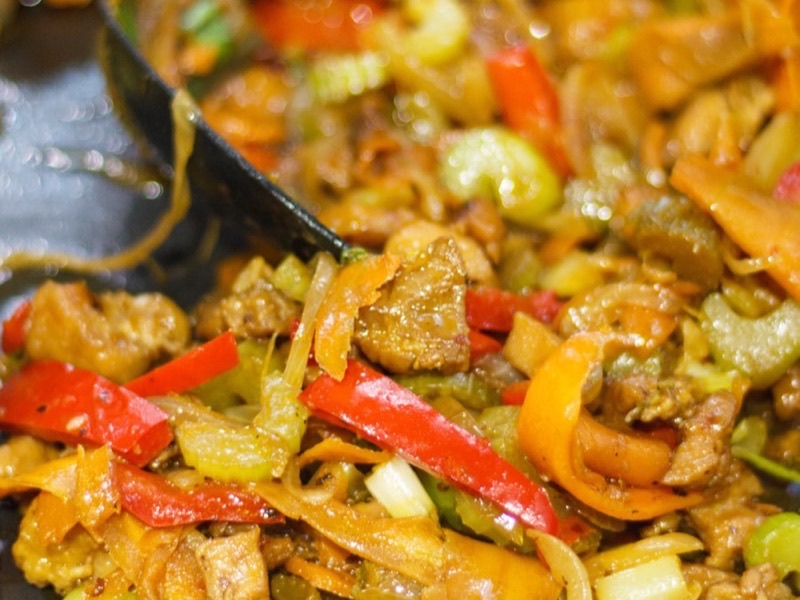
Vegetable Kottu is the primary choice for vegetarians and anyone looking for a lighter version of this beloved street food. Instead of meat, this variety packs in a generous assortment of fresh vegetables -- shredded carrots, finely sliced leeks, cabbage, green beans, bell peppers, and sometimes mushrooms or beetroot. The vegetables are chopped and stir-fried on the griddle alongside the roti, absorbing the curry sauce and spices while retaining a pleasant crunch and freshness. A well-made vegetable Kottu is a vibrant, colorful dish that proves you do not need meat to make Kottu satisfying. The key to a great vegetable Kottu lies in the quality and freshness of the vegetables and the richness of the curry sauce -- a good vegetable curry or dhal-based sauce can make this variety just as flavorful as any chicken or meat version. It is also the lowest-calorie option on most Kottu menus, making it a smart choice for health-conscious diners who still want to enjoy the full Kottu experience.

6. Seafood Kottu

Key Ingredients: Godamba roti, prawns, cuttlefish (squid), and/or fish pieces, onions, leeks, tomatoes, curry sauce, spices

Flavor Profile: Briny, umami-rich, aromatic, coastal freshness

Seafood Kottu is a celebration of Sri Lanka's coastal bounty, bringing the flavors of the ocean to the hot griddle. This variety typically features a combination of prawns, cuttlefish (squid), and sometimes pieces of firm fish, all mixed with the chopped roti, vegetables, and a seafood-based curry sauce. The natural sweetness and brininess of the seafood pair beautifully with the spicy, aromatic curry sauce, creating a flavor profile that is distinctly different from meat-based varieties. Seafood Kottu is particularly popular in coastal towns like Negombo, Galle, Trincomalee, and Jaffna, where the catch is fresh and abundant. The prawns add a succulent bite, while the cuttlefish contributes a pleasantly chewy texture that contrasts with the soft roti. It is a premium variety that typically costs more than chicken or egg Kottu, but for seafood lovers, the extra cost is a worthwhile investment in flavor.

7. String Hopper Kottu

Key Ingredients: String hoppers (idiyappam), onions, leeks, vegetables, egg, meat or seafood (optional), curry sauce

Flavor Profile: Delicate, soft, lighter texture, aromatic

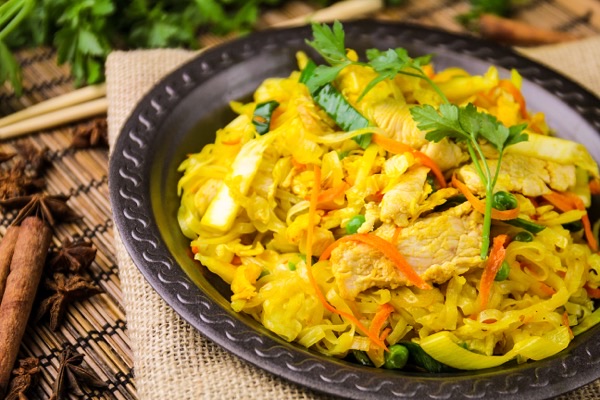
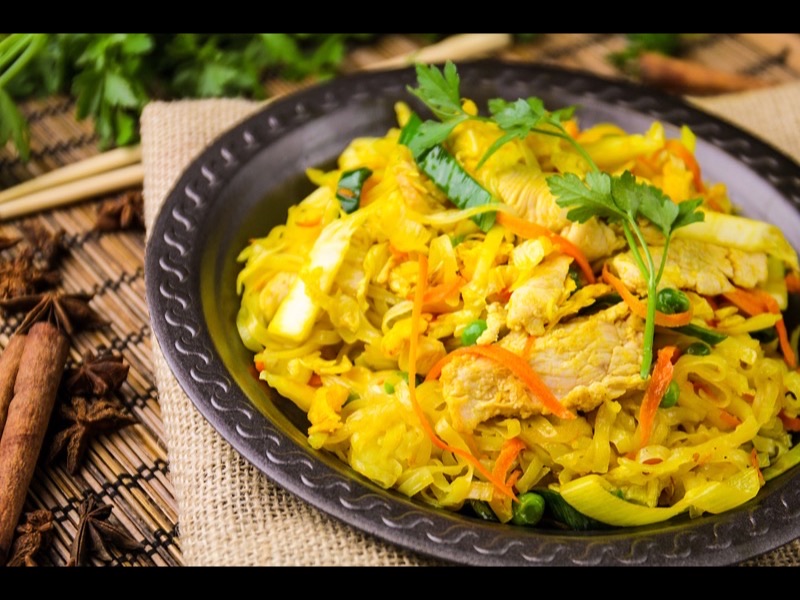
String Hopper Kottu represents a fascinating hybrid that combines two iconic Sri Lankan foods into one dish. Instead of using godamba roti as the base, this variety uses string hoppers (idiyappam) -- delicate nests of steamed rice flour noodles that are a breakfast staple across the island. The string hoppers are broken apart and chopped on the griddle in the same way as regular roti, then mixed with vegetables, protein, and curry sauce. The result is a Kottu with a markedly different texture: lighter, softer, and more delicate than the chewy roti version, with the thin rice noodles absorbing the curry sauce like tiny flavor sponges. String Hopper Kottu is naturally gluten-free since string hoppers are made from rice flour rather than wheat, making it an excellent option for those with gluten sensitivities. It is especially popular in the northern and eastern regions of Sri Lanka where string hoppers are a daily staple.

8. Dolphin Kottu

Key Ingredients: Godamba roti, canned fish (tuna or mackerel), onions, leeks, green chilies, tomatoes, curry sauce

Flavor Profile: Fishy, savory, bold, rustic

The name "Dolphin Kottu" often raises eyebrows among first-time visitors to Sri Lanka, but rest assured -- no actual dolphins are harmed in the making of this dish. In Sri Lankan colloquial usage, "dolphin" is a term commonly used to refer to canned fish products, particularly canned tuna and canned mackerel. Dolphin Kottu is essentially a budget-friendly seafood Kottu made with canned fish rather than fresh seafood. The canned fish is drained, flaked, and mixed into the chopped roti along with onions, tomatoes, green chilies, and curry sauce. Despite its humble ingredients, Dolphin Kottu has a devoted following, particularly among students and working-class communities who appreciate its affordability and satisfying flavor. The canned fish adds a robust, savory depth to the dish, and when prepared well with fresh vegetables and a well-seasoned curry sauce, Dolphin Kottu can be surprisingly delicious. It is a testament to the resourcefulness and creativity that has always been at the heart of Kottu culture.

Advertisement

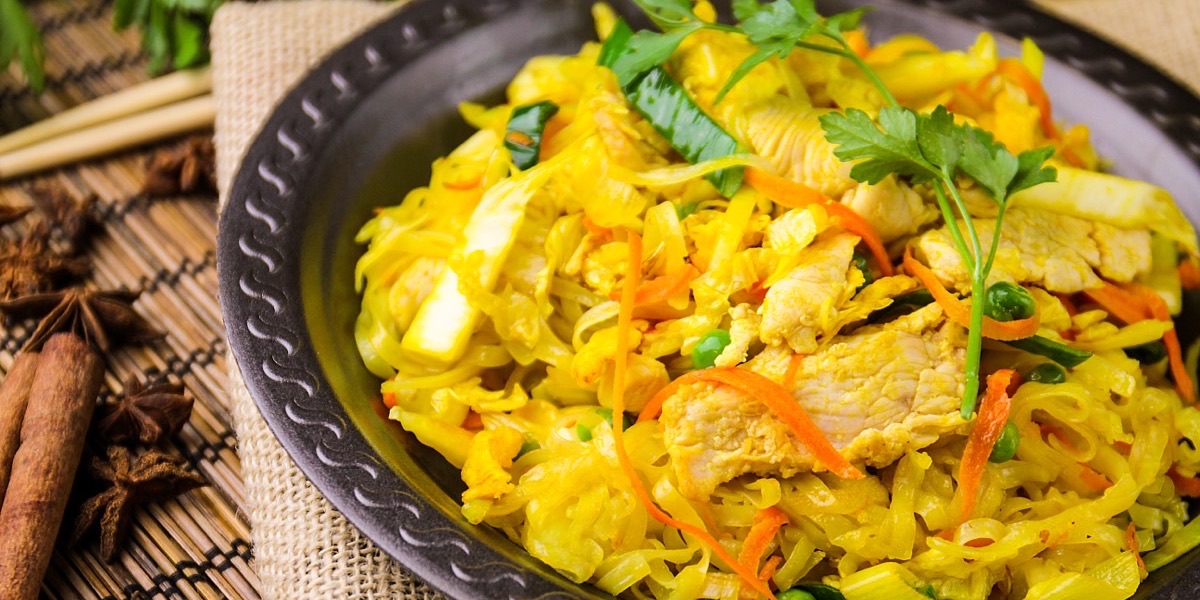
9. Noodle Kottu

Key Ingredients: Godamba roti, instant or fresh noodles, vegetables, egg, meat (optional), soy sauce, curry sauce

Flavor Profile: Fusion, savory-sweet, umami, slightly smoky

Noodle Kottu is a playful fusion creation that adds boiled noodles -- often instant noodles like Maggi or Prima, which are enormously popular in Sri Lanka -- to the traditional Kottu mixture. The noodles are cooked and then chopped on the griddle along with the roti, creating a dish that is part Kottu, part stir-fried noodles, and entirely delicious. The combination of chewy roti pieces and slippery noodles creates an interesting textural contrast, while the addition of soy sauce alongside the traditional curry sauce introduces an umami dimension that is not found in conventional Kottu varieties. Noodle Kottu is particularly popular among children and teenagers, and it has become a staple at many university-area food stalls. Some variations use only noodles without roti, essentially creating a Kottu-style noodle stir-fry, but purists insist that the roti must be present for the dish to rightfully bear the Kottu name.

10. Sausage Kottu

Key Ingredients: Godamba roti, sliced sausages (chicken or pork), onions, leeks, egg, curry sauce, chili flakes

Flavor Profile: Meaty, smoky, hearty, slightly sweet from the sausage

Sausage Kottu brings a slightly Western-influenced twist to the traditional dish by incorporating sliced sausages -- typically chicken sausages, though pork sausages are used in some establishments. The sausages are sliced into rounds or chopped into smaller pieces and fried on the griddle until slightly caramelized before being mixed with the chopped roti and other ingredients. The natural smokiness and mild sweetness of the sausage create an interesting flavor contrast with the spicy curry sauce, and the firm, meaty texture of the sausage pieces adds satisfying bites throughout the dish. Sausage Kottu is a hit with families and children, and it is commonly found in restaurants that cater to a younger, more urban clientele. It is also one of the easier Kottu varieties to replicate at home, since sausages are widely available and require minimal preparation compared to curry-based meat preparations.

11. Mutton Kottu

Key Ingredients: Godamba roti, mutton curry pieces (bone-in or boneless), onions, leeks, curry leaves, rich mutton curry sauce

Flavor Profile: Intensely savory, gamey, aromatic, deeply spiced, rich

Mutton Kottu is considered by many connoisseurs to be the king of all Kottu varieties. The use of mutton (goat meat in Sri Lankan terminology) brings an intensity of flavor that no other protein can match. The mutton is slow-cooked in a thick, heavily spiced curry until it is fall-off-the-bone tender, and then chopped into the roti on the griddle along with the rich, dark mutton curry sauce. The gamey depth of the mutton, combined with the aromatic blend of cinnamon, cardamom, cloves, fennel, and curry leaves in the sauce, creates a Kottu that is bold, complex, and unforgettable. Mutton Kottu is typically more expensive than chicken or egg varieties due to the higher cost of goat meat, and it takes longer to prepare because the mutton curry must be slow-cooked to achieve the right tenderness. But for those willing to pay the premium and wait for the preparation, mutton Kottu delivers a Kottu experience that is unmatched in depth and richness.

12. Devilled Kottu

Key Ingredients: Godamba roti, devilled chicken/meat (stir-fried with chili paste, capsicum, onions), soy sauce, tomato sauce, green chilies

Flavor Profile: Very spicy, tangy, sweet-savory, fiery, bold

Devilled Kottu combines two of Sri Lanka's most popular culinary styles -- Kottu and devilled preparations. "Devilled" in Sri Lankan cooking refers to a style of stir-frying meat, seafood, or vegetables with a fiery combination of chili paste, capsicum (bell peppers), onions, soy sauce, and tomato sauce, creating a dish that is simultaneously spicy, tangy, and slightly sweet. When this devilled preparation is incorporated into Kottu, the result is one of the spiciest and most intensely flavored varieties available. The devilled sauce adds a layer of heat and tanginess that cuts through the richness of the curry sauce, creating a complex, multi-dimensional flavor experience. Devilled Kottu is not for the faint of heart -- the chili levels can be formidable -- but for spice enthusiasts, it is a thrilling eating experience that showcases the bold, unapologetic side of Sri Lankan cuisine. Most restaurants offer devilled Kottu with chicken, though prawn and cuttlefish versions are also popular.

Advertisement

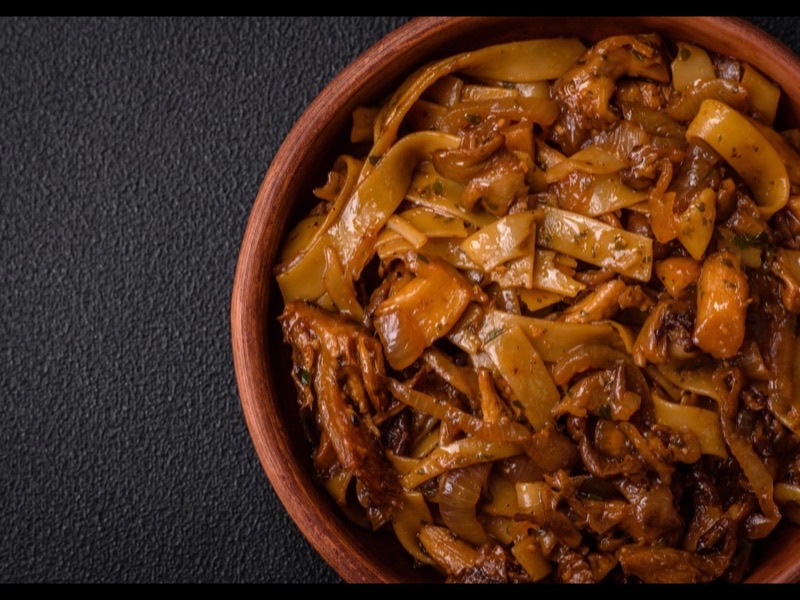
13. Mushroom Kottu

Key Ingredients: Godamba roti, sliced mushrooms, onions, leeks, garlic, curry sauce, black pepper, vegetables

Flavor Profile: Earthy, umami, savory, satisfying depth despite being vegetarian

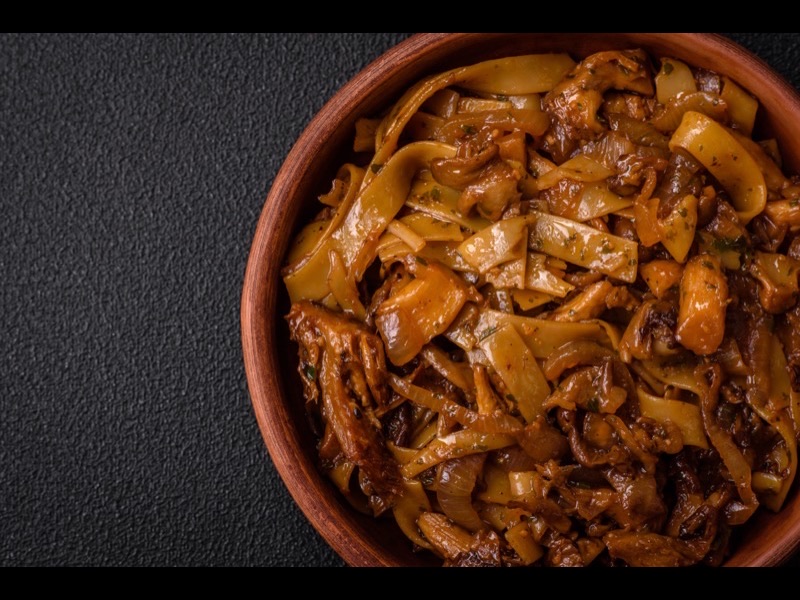
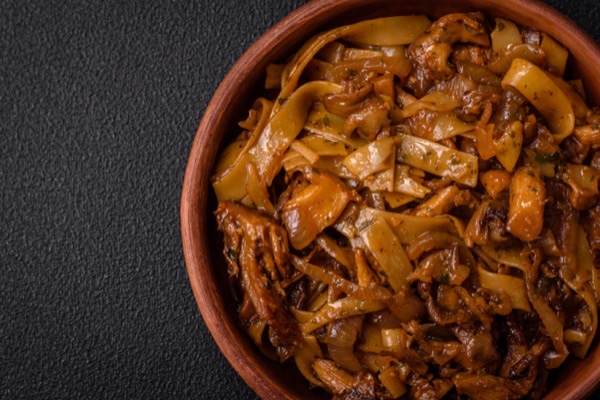
Mushroom Kottu is a vegetarian variety that has gained significant popularity in recent years, particularly in Colombo's more health-conscious dining scene. Sliced mushrooms -- typically button mushrooms, though oyster and shiitake mushrooms are used in some upscale preparations -- are fried on the griddle until golden and slightly caramelized, then mixed with the chopped roti, vegetables, and curry sauce. The mushrooms bring an earthy, umami-rich quality to the dish that gives it a depth of flavor often associated with meat-based varieties, making it one of the most satisfying vegetarian options for diners who crave that savory intensity. The natural moisture in the mushrooms also helps to keep the Kottu from becoming too dry, resulting in a beautifully moist and flavorful finished dish. Mushroom Kottu pairs particularly well with a pepper-forward seasoning profile and a touch of garlic, and it has become a favourite among both vegetarians and non-vegetarians who appreciate its unique flavor profile.

14. Crab Kottu

Key Ingredients: Godamba roti, crab meat (or whole small crabs), onions, leeks, tomatoes, crab curry sauce, pandan leaves

Flavor Profile: Sweet, briny, luxurious, rich, aromatic

Crab Kottu sits at the premium end of the Kottu spectrum and is considered a luxury variety. Sri Lanka is famous for its exceptional lagoon crabs, particularly the mud crabs found in the Negombo, Chilaw, and Batticaloa lagoons, and Crab Kottu showcases this prized ingredient in all its glory. The dish features tender, sweet crab meat -- either picked from the shell or, in some dramatic presentations, served with whole crab claws and legs mixed into the Kottu -- along with a rich crab curry sauce that is fragrant with pandan leaves, curry leaves, and a careful balance of spices that complement rather than overpower the delicate crab flavor. Crab Kottu is not available at every restaurant due to the cost and preparation involved, but establishments that specialize in seafood often offer it as a signature dish. It is a memorable splurge that demonstrates just how far Kottu has come from its humble street food origins -- this is a dish worthy of a special occasion.

15. Lamprais Kottu

Key Ingredients: Godamba roti, lamprais curry (mixed meat curry), frikkadel (meatball), eggplant pickle (achcharu), blachan, seeni sambol

Flavor Profile: Complex, multi-layered, sweet-spicy-sour, Dutch-Burgher influenced

Lamprais Kottu is a creative fusion that marries two of Sri Lanka's most iconic dishes: the traditional Kottu and the Dutch-Burgher heritage lamprais. Lamprais (from the Dutch "lomprijst") is an elaborate dish of meat-stock rice, mixed curry, frikkadel (meatball), eggplant pickle, blachan (prawn paste), and seeni sambol (caramelized onion relish), all wrapped in a banana leaf and baked. In the Kottu adaptation, elements of the lamprais are chopped into the roti on the griddle -- the spiced curry, bits of frikkadel, tangy eggplant pickle, and sweet seeni sambol all come together in a complex, multi-layered dish that is unlike any other Kottu variety. The sweet-spicy-sour interplay of lamprais flavors gives this Kottu a distinctive character that reflects Sri Lanka's multicultural culinary heritage. Lamprais Kottu is a specialty item not commonly found at standard Kottu stalls; it is more likely to appear at restaurants that celebrate Sri Lankan fusion cuisine.

16. Chocolate Kottu

Key Ingredients: Godamba roti (sweet version), chocolate sauce, condensed milk, banana, grated coconut, sugar, nuts

Flavor Profile: Sweet, chocolatey, rich, dessert-like, indulgent

Chocolate Kottu is the most unconventional and controversial entry on this list -- a sweet dessert version of Kottu that abandons the savory curry sauce entirely in favor of chocolate sauce, condensed milk, and sugar. A sweetened version of godamba roti is chopped on the griddle and mixed with melted chocolate, sliced bananas, grated coconut, crushed nuts, and a generous drizzle of condensed milk. The result is a warm, gooey, chocolatey dessert that retains the textural character of Kottu while delivering an entirely different flavor experience. Chocolate Kottu is a recent innovation that emerged from modern Sri Lankan restaurants and cafes looking to put a creative twist on the national dish. It has proven surprisingly popular, particularly with children and dessert enthusiasts, though Kottu traditionalists sometimes view it with suspicion. Love it or dismiss it, Chocolate Kottu demonstrates the limitless creativity of Sri Lankan cooks and the remarkable adaptability of the Kottu format to virtually any flavor profile.

Advertisement

Which Kottu Should You Try First?

If you are new to Kottu Roti and wondering where to begin your culinary journey, the answer depends on your personal preferences and appetite for adventure. Here are our recommendations based on different tastes:

🍗

For First-Timers

Start with Chicken Kottu. It is the most universally loved variety and gives you the quintessential Kottu experience -- the perfect combination of roti, tender chicken curry, vegetables, and spiced sauce. Once you have tried chicken, you have a solid baseline to compare every other variety against.

🌶

For Spice Lovers

Go straight for Devilled Kottu. The fiery combination of chili paste, capsicum, and tangy sauce will set your taste buds alight in the best possible way. Ask for extra chili if you dare -- a true test of your spice tolerance.

🧀

For Vegetarians

Try Vegetable Kottu or Mushroom Kottu. Both are satisfying and full of flavor. Mushroom Kottu is especially recommended for its meaty, umami-rich character that makes you forget there is no actual meat in the dish.

🍪

For the Adventurous

Try String Hopper Kottu for a unique textural experience, or splurge on Crab Kottu for a premium taste of Sri Lanka's lagoon seafood. And if you have a sweet tooth, Chocolate Kottu is an unforgettable novelty.

💰

On a Budget

Egg Kottu is your best friend -- affordable, satisfying, and available at virtually every Kottu stall in Sri Lanka. Dolphin Kottu is another excellent budget option that delivers big flavor for a small price.

🧀

For Cheese Lovers

Cheese Kottu is an absolute must-try. The melted cheese mixed with spicy curry sauce and chewy roti creates a combination that is addictive in the best way. Combine it with chicken for the ultimate indulgence.

Advertisement

Frequently Asked Questions

There are at least 16 widely recognized types of Kottu Roti in Sri Lanka, ranging from classic varieties like chicken, egg, and vegetable kottu to modern innovations like cheese kottu, chocolate kottu, and crab kottu. Many restaurants also create their own unique signature variations, so the total number continues to grow as creative cooks experiment with new ingredients and flavor combinations.

Chicken Kottu is by far the most popular type of Kottu Roti in Sri Lanka. It is the most commonly ordered variety at restaurants and street stalls across the island, loved for its rich flavor from chicken curry pieces mixed with the chopped roti, vegetables, and spices. Cheese Kottu has been gaining rapidly in popularity and is arguably the second most popular variety, especially among younger diners.

Despite its alarming name, Dolphin Kottu does not contain any dolphin meat whatsoever. It is made with canned fish -- typically canned tuna or canned mackerel -- which is mixed with the chopped roti, vegetables, and spices. The name "dolphin" is a colloquial Sri Lankan term that refers to canned fish products. It is a budget-friendly seafood Kottu option that is popular among students and working-class communities.

Yes, there are several vegetarian Kottu options. Vegetable Kottu is the most common, featuring a generous mix of carrots, leeks, cabbage, green beans, and bell peppers. Mushroom Kottu is another excellent vegetarian choice with a rich, umami flavor. Egg Kottu can also be made without meat for lacto-ovo vegetarians. String Hopper Kottu is naturally gluten-free and can be prepared as a vegetarian dish as well.

The key difference is the base ingredient. Regular Kottu uses chopped godamba roti (wheat flatbread), while String Hopper Kottu uses shredded string hoppers (idiyappam), which are delicate steamed rice noodle nests. String Hopper Kottu has a lighter, softer texture compared to the chewier texture of roti-based Kottu. It is also naturally gluten-free since string hoppers are made from rice flour rather than wheat flour. Both are prepared using the same chopping and stir-frying technique on the griddle.

Ready to Make Your Own Kottu?

Now that you know all the types, why not try making your favourite variety at home? Browse our collection of step-by-step Kottu recipes with detailed instructions, ingredient lists, and video guides.

Explore Kottu Recipes