
Table of Contents
About Cheese Kottu Roti
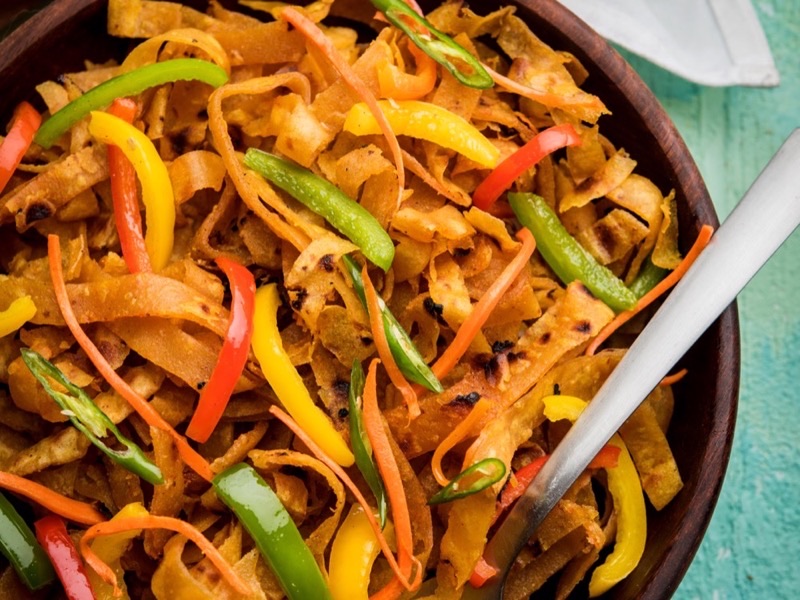
Cheese Kottu is a relatively modern invention that has taken Sri Lanka by storm. While traditional kottu has been around for decades, the addition of cheese is a 21st-century innovation that emerged from kottu shops in Colombo trying to appeal to younger customers and those seeking comfort food with an extra indulgent twist. Today, cheese kottu is one of the most ordered items at kottu restaurants across the island.
The genius of cheese kottu lies in the contrast of textures and flavors. The hot, spicy, smoky base of stir-fried roti and chicken meets the cool creaminess of melting cheese. As the cheese melts into the mixture, it creates gooey strands that bind everything together, adding a rich umami quality that elevates the dish to another level. The best cheese kottu places in Colombo, such as those on Galle Road and in Bambalapitiya, have perfected the art of timing the cheese addition so it is perfectly melted but still stretchy when served.
For the cheese, Sri Lankan kottu shops typically use processed cheese slices or blocks, as they melt smoothly and create those desirable stretchy strands. However, mozzarella also works beautifully. Some premium kottu shops even use a combination of cheddar and mozzarella for both flavor and stretch. This recipe uses chicken as the protein, but you can also make cheese kottu with egg, vegetables, or mixed meats.
Ingredients
For the Chicken Curry Base
- 200g boneless chicken thighs
- 1 tablespoon Sri Lankan roasted curry powder
- 1/2 teaspoon turmeric powder
- 1/2 cup coconut milk
- 5 curry leaves
- 1 piece pandan leaf (rampe)
- 1 small onion, sliced
- Salt to taste
For the Cheese Kottu
- 4 godamba roti (or paratha), shredded into strips
- 150g processed cheese or mozzarella, cubed or shredded
- 2 tablespoons vegetable oil
- 1 large onion, finely sliced
- 2 leeks, washed and sliced
- 1 medium carrot, julienned
- 3 green chilies, sliced
- 4 cloves garlic, minced
- 1 inch piece ginger, finely minced
- 10 fresh curry leaves
- 2 tablespoons Sri Lankan roasted curry powder
- 1 teaspoon chili flakes
- 1 tablespoon soy sauce
- 2 eggs
- 1 tablespoon butter
- 1/2 cup reserved chicken curry sauce
- Salt and black pepper to taste
Step-by-Step Instructions
Step 1: Prepare the Chicken Curry
Season the chicken thighs with curry powder, turmeric, and salt. Place in a small pot with coconut milk, curry leaves, pandan leaf, and sliced onion. Simmer on medium-low heat for 20 minutes until tender and the sauce is thick. Remove the chicken, shred it into bite-sized pieces, and set aside. Reserve the curry sauce - you will need about half a cup for the kottu.
Step 2: Prepare Your Ingredients
Shred the godamba roti into strips about 1-2 inches wide. Cut the cheese into small cubes (about 1 cm) if using processed cheese, or shred it if using mozzarella. Having smaller cheese pieces ensures it melts quickly and distributes evenly. Line up all your vegetables, spices, and the prepared chicken before you start cooking.
Step 3: Start the Stir-Fry
Heat oil in a large wok or heavy pan over the highest heat until smoking. Add curry leaves, green chilies, garlic, and ginger. The curry leaves will crackle and pop - this is normal. Stir-fry for 30 seconds until the kitchen fills with fragrance.
Step 4: Cook the Vegetables
Add sliced onions and leeks to the pan. Toss them vigorously on high heat for about 2 minutes until they begin to soften and char slightly at the edges. Add julienned carrots and stir-fry for another minute. The vegetables should be just softened but still have a bite to them.
Step 5: Add the Eggs
Push vegetables to one side of the pan. Crack two eggs into the empty side and let them set for 10 seconds. Break them up roughly with your spatula - you want chunky pieces, not fine scrambled egg. Fold the egg pieces into the vegetables.
Step 6: Add Roti and Chicken
Add all the shredded roti to the pan along with the shredded chicken. Using two metal spatulas, begin the characteristic kottu chopping motion - firm, rhythmic chops that break and mix the roti with the vegetables and chicken. Pour the curry sauce over the mixture and sprinkle with curry powder, chili flakes, and soy sauce. Continue chopping and tossing for 3-4 minutes on high heat until everything is well combined and the roti has absorbed the sauce.
Step 7: Add the Cheese
This is the crucial step that sets cheese kottu apart. Reduce the heat to medium. Scatter the cheese pieces evenly across the top of the kottu. Add the butter. Using your spatula, gently fold the cheese into the mixture - do not chop aggressively at this stage as you want the cheese to melt into stretchy strands, not disappear completely. Fold and turn the kottu for about 1-2 minutes until the cheese is melted, gooey, and creating those beautiful cheesy strings when you lift the spatula.
Step 8: Serve Immediately
Season with salt and pepper. Cheese kottu must be served immediately while the cheese is still molten and stretchy. Plate onto a hot serving dish. Some kottu shops place extra cheese slices on top and briefly torch or broil them for a golden crust. Serve with extra curry sauce on the side.
Tips & Tricks for Perfect Cheese Kottu
- Choose the right cheese: Processed cheese (like Lanka Bell or Anchor slices) melts the smoothest. Mozzarella gives the best stretch. A combination of both is ideal. Avoid hard aged cheeses like Parmesan as they do not melt properly for this dish.
- Timing the cheese: Add cheese only at the very end after you have finished the high-heat chopping. If you add it too early, it will burn or become rubbery.
- Reduce heat for the cheese step: Lower the heat to medium when adding cheese. High heat will cause the cheese to seize up and become stringy in a bad way rather than gooey.
- Extra cheese on top: For Instagram-worthy cheese kottu, place a few extra cheese slices on top after plating and use a kitchen torch to melt them for a golden, bubbly top layer.
- Butter is essential: Adding a tablespoon of butter along with the cheese adds richness and helps the cheese melt more smoothly.
- Serve on a hot plate: Warm your serving plate in the oven first. Cheese kottu cools quickly and cold cheese becomes unappetizing.
- Do not skip the curry sauce: The curry sauce provides moisture and flavor that helps the cheese integrate into the kottu. Without it, the cheese can make the dish overly dry and clumpy.
Nutrition Information
Per serving (approximate values):
| Nutrient | Amount |
|---|---|
| Calories | 620 kcal |
| Protein | 35g |
| Carbohydrates | 50g |
| Fat | 32g |
| Saturated Fat | 15g |
| Fiber | 3g |
| Sodium | 920mg |
| Calcium | 340mg |
Serve With
- Extra curry sauce: A bowl of hot curry sauce for dipping and drizzling.
- Lunu miris sambol: The chili and onion relish cuts through the richness of the cheese.
- Fresh lime: A squeeze of lime juice adds brightness to the rich, cheesy dish.
- Tomato ketchup or chili sauce: A popular accompaniment at modern kottu shops.
- Cold drink: Cheese kottu pairs perfectly with an ice-cold cola or ginger beer.
Frequently Asked Questions
Most kottu shops in Sri Lanka use processed cheese slices or blocks, such as Lanka Bell, Anchor, or Kraft singles. These melt smoothly and create the classic gooey, stretchy texture that cheese kottu is known for. Some upscale restaurants use a combination of mozzarella and cheddar. Processed cheese is preferred because it has emulsifying salts that allow it to melt evenly without separating into oil and solids, which can happen with natural cheeses at high heat.
Absolutely! Cheese kottu works wonderfully as a vegetarian dish. Simply omit the chicken and increase the vegetables. Add extra carrots, cabbage, bell peppers, and mushrooms. Use a vegetable curry sauce made with coconut milk, curry powder, and spices instead of chicken curry sauce. The cheese provides plenty of protein and richness, so you will not miss the meat at all. Some vegetarian kottu shops also add boiled chickpeas or paneer cubes for extra protein.
For a standard serving of cheese kottu (3 portions), 150g of cheese is a good amount. However, cheese quantity is a matter of personal preference. Street kottu shops in Sri Lanka typically use 3-4 cheese slices (about 80-100g) per serving, which some customers feel is generous while others order extra cheese. If you love cheese, feel free to use up to 200g. Keep in mind that too much cheese can overpower the spices and make the dish heavy. A good balance allows the kottu flavors to still shine through the cheesiness.
Advertisement