
Table of Contents
About Vegetable Kottu Roti
Vegetable Kottu, called "Elawalu Kottu" in Sinhala, is a vibrant and wholesome version of Sri Lanka's iconic street food. While meat-based kottu varieties get most of the spotlight, vegetable kottu has a devoted following among health-conscious eaters, vegetarians, and anyone who appreciates the incredible flavors that fresh vegetables can bring to a dish when combined with Sri Lankan spices and cooking techniques.
Sri Lanka has a long tradition of vegetarian cooking, influenced by Buddhist dietary practices and the country's abundant tropical produce. Vegetable kottu draws from this tradition, using a colorful array of locally available vegetables - leeks, carrots, cabbage, green beans, bell peppers, and tomatoes. When stir-fried at high heat with curry powder, turmeric, curry leaves, and coconut oil, these simple vegetables transform into something extraordinary. The key is using coconut oil rather than vegetable oil, as it adds a subtle sweetness and fragrance that complements the vegetables beautifully.
Many Sri Lankan households make vegetable kottu as a way to use up leftover roti and whatever vegetables are available in the kitchen. This flexibility is one of the dish's greatest strengths - you can adapt the vegetable combination based on what is fresh and in season. During the monsoon season, when certain vegetables are abundant and inexpensive, vegetable kottu becomes a regular feature on family dinner tables across the island.
Ingredients
Main Ingredients
- 4 godamba roti (or paratha/parotta), shredded into strips
- 2 tablespoons coconut oil (preferred) or vegetable oil
- 1 large onion, finely sliced
- 2 leeks, washed thoroughly and sliced into thin rings
- 1 medium carrot, julienned into thin matchsticks
- 1/2 cup green cabbage, finely shredded
- 1/2 cup green beans (bonchi), cut into 1-inch pieces
- 1 small bell pepper (capsicum), thinly sliced
- 1 medium tomato, diced
- 3 green chilies, sliced lengthwise
Aromatics and Spices
- 4 cloves garlic, minced
- 1 inch piece ginger, finely minced
- 10 fresh curry leaves
- 1 small piece pandan leaf (rampe), cut into pieces
- 2 tablespoons Sri Lankan roasted curry powder
- 1 teaspoon chili flakes (adjust to taste)
- 1/2 teaspoon turmeric powder
- 1/2 teaspoon black pepper, freshly ground
- 1 tablespoon soy sauce
- 1/2 cup thick coconut milk
- Salt to taste
- Fresh coriander (cilantro) leaves for garnish
Optional Protein Additions
- 1/2 cup boiled chickpeas
- 100g firm tofu, cubed and pan-fried
- 2 boiled eggs, roughly chopped
Step-by-Step Instructions
Step 1: Prepare All Vegetables
Wash and prepare all vegetables before you begin cooking. Julienne the carrots into thin matchsticks about 2 inches long. Finely shred the cabbage. Cut the green beans into 1-inch pieces. Slice the leeks into thin rings, making sure to wash them thoroughly between the layers where dirt often hides. Slice the onion, bell pepper, and green chilies. Dice the tomato. Having everything prepared and within reach is essential because vegetable kottu cooks extremely fast.
Step 2: Prepare the Roti
Shred the godamba roti into strips about 1-2 inches wide. Day-old roti works best as it holds its shape during the vigorous stir-frying. If your roti is fresh, let it cool completely and even refrigerate for an hour to firm up. Stack the roti sheets, roll them loosely, and slice across with a sharp knife for even strips.
Step 3: Heat the Pan with Aromatics
Place a large wok or heavy-bottomed pan over the highest heat. Add the coconut oil and let it heat until shimmering. Drop in the curry leaves and pandan leaf pieces - they will crackle and release their fragrance instantly. Add the sliced green chilies, minced garlic, and minced ginger. Stir-fry for just 20-30 seconds, letting the oil become infused with these aromatics. The kitchen should smell incredible at this point.
Step 4: Cook the Hard Vegetables First
Add the sliced onions and stir-fry for 1 minute until they begin to soften. Add the leeks and cook for another minute, tossing constantly. Now add the vegetables that take the longest to cook: the green beans and carrots. Stir-fry these on high heat for about 2 minutes, tossing them frequently. They should soften slightly but remain crisp - overcooked vegetables will make the kottu soggy and lifeless.
Step 5: Add the Remaining Vegetables
Add the shredded cabbage and sliced bell pepper. These cook quickly and only need about 1 minute. Finally, toss in the diced tomato. The tomato will release some juice as it cooks, which adds moisture and a pleasant tangy sweetness to the kottu. Stir-fry everything together for another 30 seconds.
Step 6: Add the Roti and Season
Add all the shredded roti to the pan at once. Using two metal spatulas, begin the characteristic kottu chopping and tossing action. Chop the roti into smaller pieces while mixing it thoroughly with the vegetables. As you chop, sprinkle the curry powder, turmeric, chili flakes, and soy sauce over the mixture. Pour the coconut milk over everything - it will sizzle and steam, coating the roti strands with creamy, spiced goodness.
Step 7: Final Stir-Fry
Continue the vigorous chopping and tossing for 3-4 minutes on high heat. The roti should absorb the coconut milk and spices, turning a beautiful golden color. Each strand should be coated with the curry spice mixture and interspersed with colorful vegetables. The high heat will create some charred bits on the roti - this is desirable and adds smoky flavor.
Step 8: Season and Serve
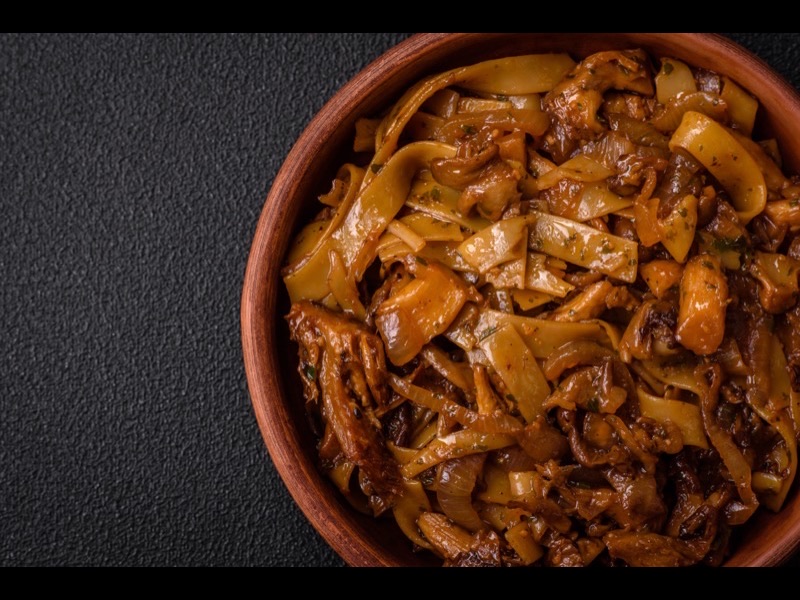
Taste and adjust the seasoning with salt, black pepper, and additional chili flakes if desired. The finished vegetable kottu should be vibrantly colored, slightly moist from the coconut milk, and fragrant with spices. Transfer to a hot plate, garnish with fresh coriander leaves, and serve immediately with your choice of sambol or curry sauce on the side.
Tips & Tricks for Perfect Vegetable Kottu
- Use coconut oil: Coconut oil adds authentic Sri Lankan flavor that vegetable oil cannot replicate. The subtle coconut sweetness complements the vegetables beautifully and adds an extra layer of aroma.
- Do not overcook the vegetables: The vegetables should retain some crunch. Overcooked, mushy vegetables make the kottu soggy and unappetizing. Add harder vegetables first and softer ones last.
- Coconut milk is essential: In the absence of a meat curry sauce, thick coconut milk provides the necessary moisture and richness. Use full-fat coconut milk, not the light version.
- Vary the vegetables seasonally: Use whatever fresh vegetables are available. Snake gourd, drumstick (murunga), spinach, eggplant, and mushrooms are all excellent additions.
- Add protein if desired: Vegetable kottu can be made more filling by adding pan-fried tofu cubes, boiled chickpeas, or even a chopped boiled egg at the end.
- Toast the curry powder: For extra depth, dry-toast the curry powder in a small pan for 30 seconds before adding it to the kottu. This releases the volatile oils and intensifies the flavor.
- Make a vegetable curry sauce: For an even richer version, prepare a quick vegetable curry sauce with coconut milk, curry powder, and tomatoes. Use this instead of plain coconut milk when stir-frying.
Nutrition Information
Per serving (approximate values):
| Nutrient | Amount |
|---|---|
| Calories | 350 kcal |
| Protein | 9g |
| Carbohydrates | 48g |
| Fat | 14g |
| Saturated Fat | 8g |
| Fiber | 6g |
| Sodium | 480mg |
| Vitamin A | 85% DV |
Serve With
- Pol sambol: Fresh coconut sambol with chili, onion, and lime - the quintessential Sri Lankan condiment.
- Dhal curry (Parippu): A creamy red lentil curry adds protein and makes the meal more substantial.
- Lunu miris: Spicy onion and chili sambol for those who want extra heat.
- Eggplant moju: Sweet and tangy pickled eggplant relish for a flavor contrast.
- Fresh lime wedges: A squeeze of lime juice ties all the flavors together.
- King coconut water: A refreshing natural beverage that pairs beautifully with spicy kottu.
Frequently Asked Questions
Vegetable kottu can easily be made fully vegan. The base recipe uses no animal products - just vegetables, roti, spices, and coconut milk. However, be aware of two things: godamba roti traditionally contains egg in the dough, so look for egg-free versions or use plain flour tortillas instead. Also, some recipes include Maldive fish flakes for flavor - simply omit these for a vegan version and add extra soy sauce for umami. With these adjustments, vegetable kottu is a fantastic vegan meal.
The classic vegetables for kottu are leeks, carrots, onions, and cabbage - these are found in almost every kottu shop. Beyond these essentials, green beans, bell peppers (capsicum), and tomatoes add wonderful color and flavor. For variations, you can try mushrooms, baby corn, broccoli, spinach, or even sweet potato. The key is to use a mix of textures - some crunchy (carrots, beans), some tender (cabbage, peppers), and something that adds moisture (tomato). Avoid very watery vegetables like cucumber or zucchini as they make the kottu soggy.
Vegetable kottu can be made more substantial in several ways. Add a protein source such as pan-fried tofu cubes, boiled chickpeas, cooked lentils, or paneer. You can also add eggs to make it an "egg and vegetable" kottu. Serving it with a side of thick dhal (parippu) curry adds creaminess and protein. Using more roti also makes the dish more filling. Another tip is to use an extra generous amount of coconut milk in the cooking, which adds calories and creates a richer, more satisfying dish. Some people also serve vegetable kottu with a fried egg on top.
Advertisement